What we do
Building digital solutions for drought resilience. Germ of Life develops innovative digital tools, pilot applications and collaborative solutions that help Mediterranean territories anticipate drought risks, strengthen climate resilience and support better environmental decision-making.
The main Artificial Intelligence innovations in Germ of Life project relate to the development of a framework to identify and adapt Machine Learning models to droughts indicators forecasting, to be tested and implemented, with a focus on assessing the generalization and transferability of the developed approach.
Drought indicators forecasting will rely on machine learning models already tried and tested. In synergy with other ongoing projects, multiple combinations of indicators will be adopted and evaluated in their skills, in order to select the best performing one(s). Such algorithms will be calibrated, tested and validated. Additionally, soil moisture forecasting will be also explored at least up to 7 days ahead.
Decision Support System

In Germ of Life project, fed by the outputs of the Drought Risk prediction, a Vulnerability Assessment Tool proposed in the form of decision support system (DSS) built on open-source technologies, implements a computer program application for improving decision making capabilities based on data collected and processed. It receives risk prediction information (AI based) in processed forms and includes a dashboard for risks visualization based on the KPIs identified, introduce a collaborative space where the assessment from different stakeholders can take place on the specific drought risk area, produce structured reports available for decisions and mitigation actions functional requirements, include geospatial information.
Our Digital Solutions
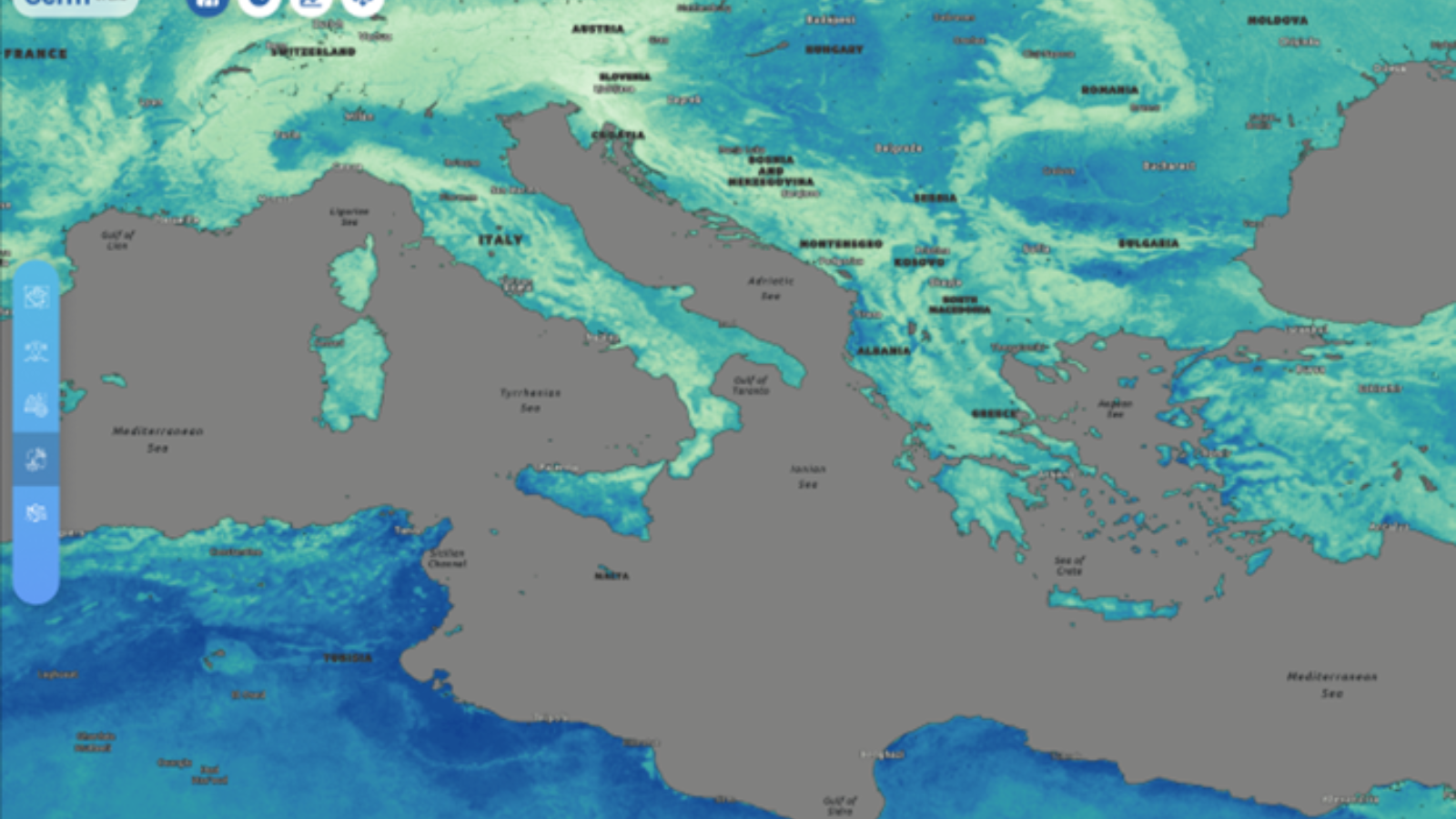
Drought Risk Prediction Solution
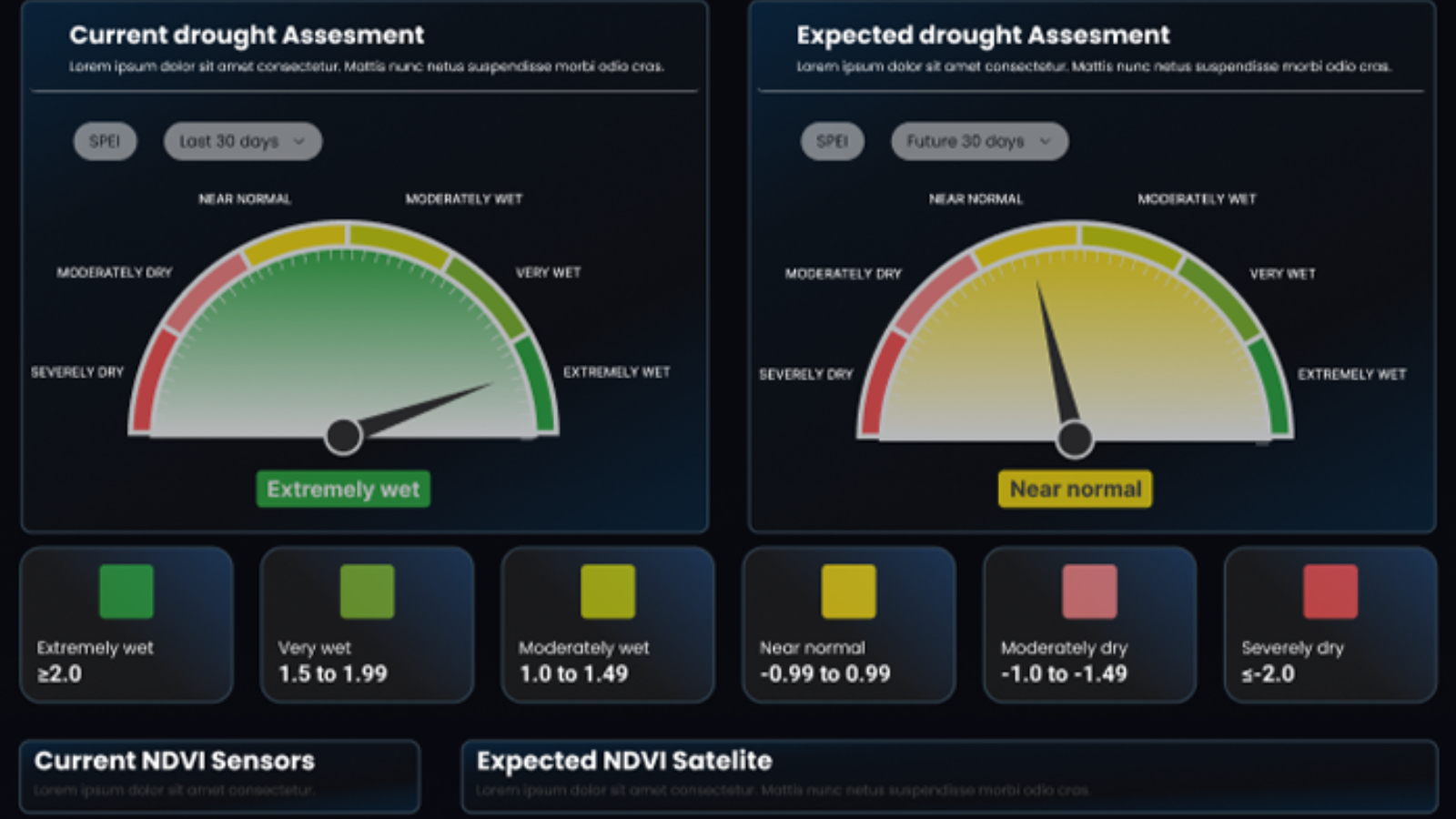
Vulnerability Assessment Tool (VAT)
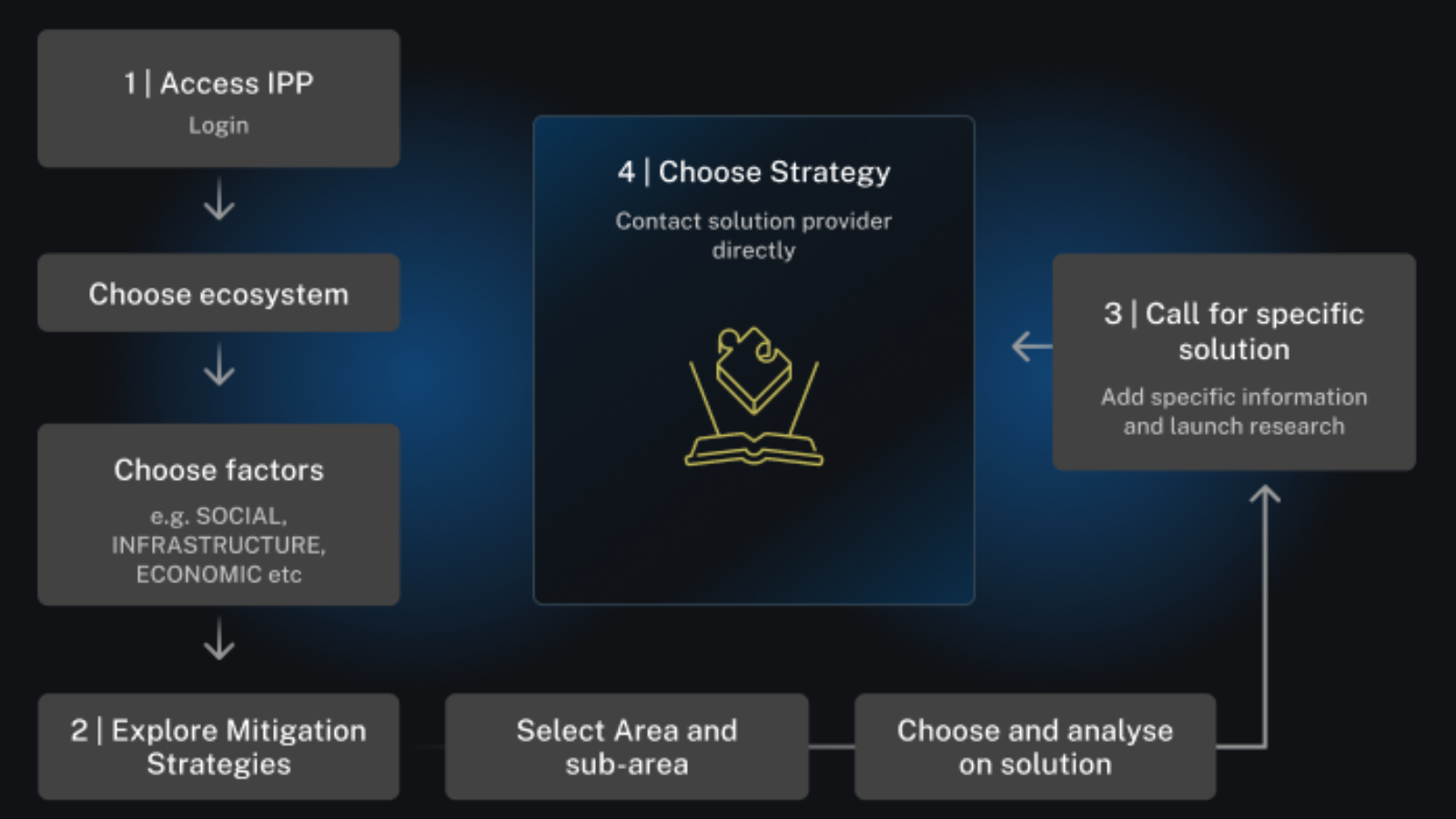
Innovation Procurement Platform (IPP)
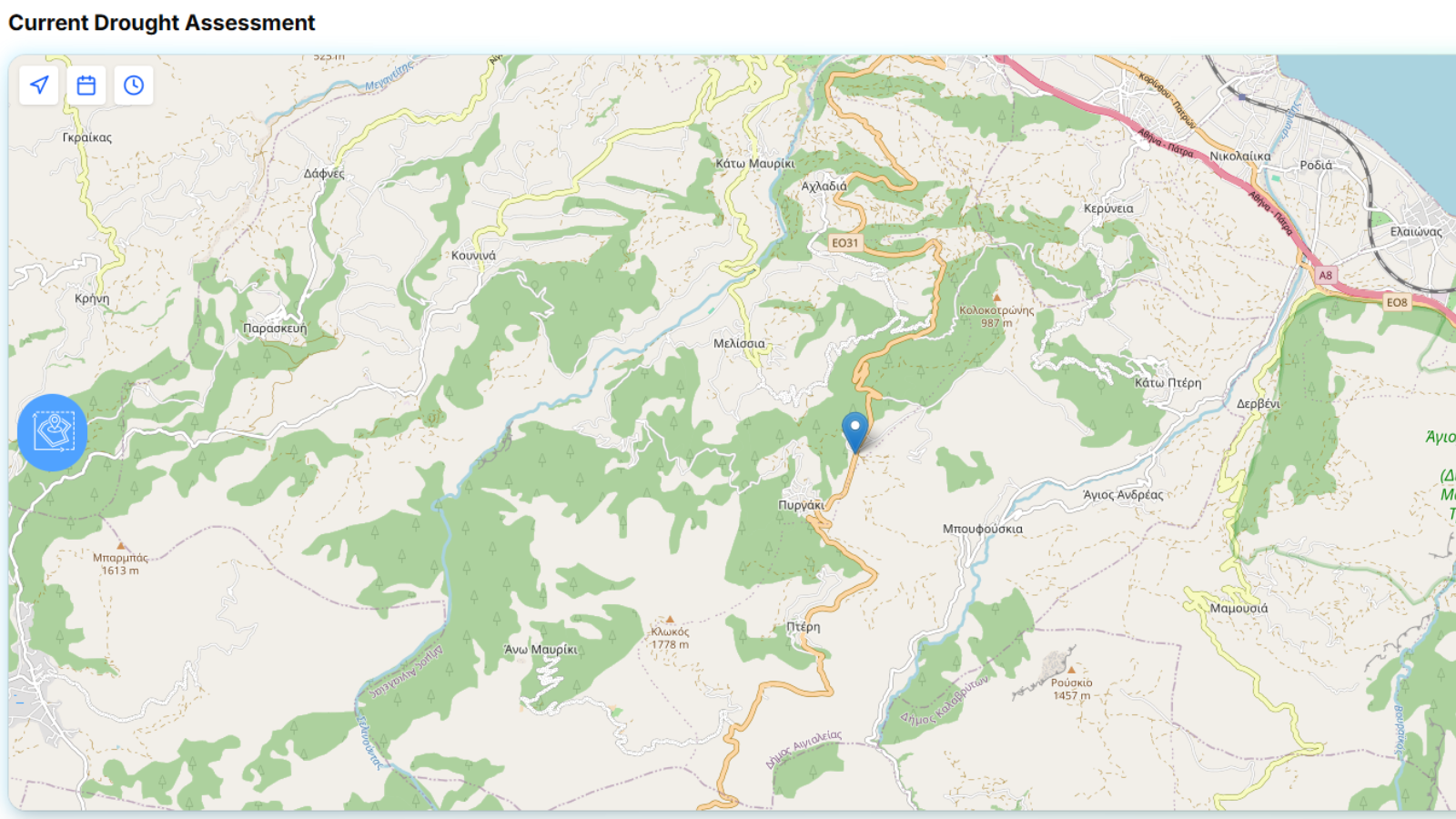
🟡 Drought Risk Prediction Solution
Predict drought risk using environmental monitoring, Earth Observation and Artificial Intelligence.
🔵 Vulnerability Assessment Tool (VAT)
Assess territorial vulnerability through interactive maps, indicators and decision-support dashboards.
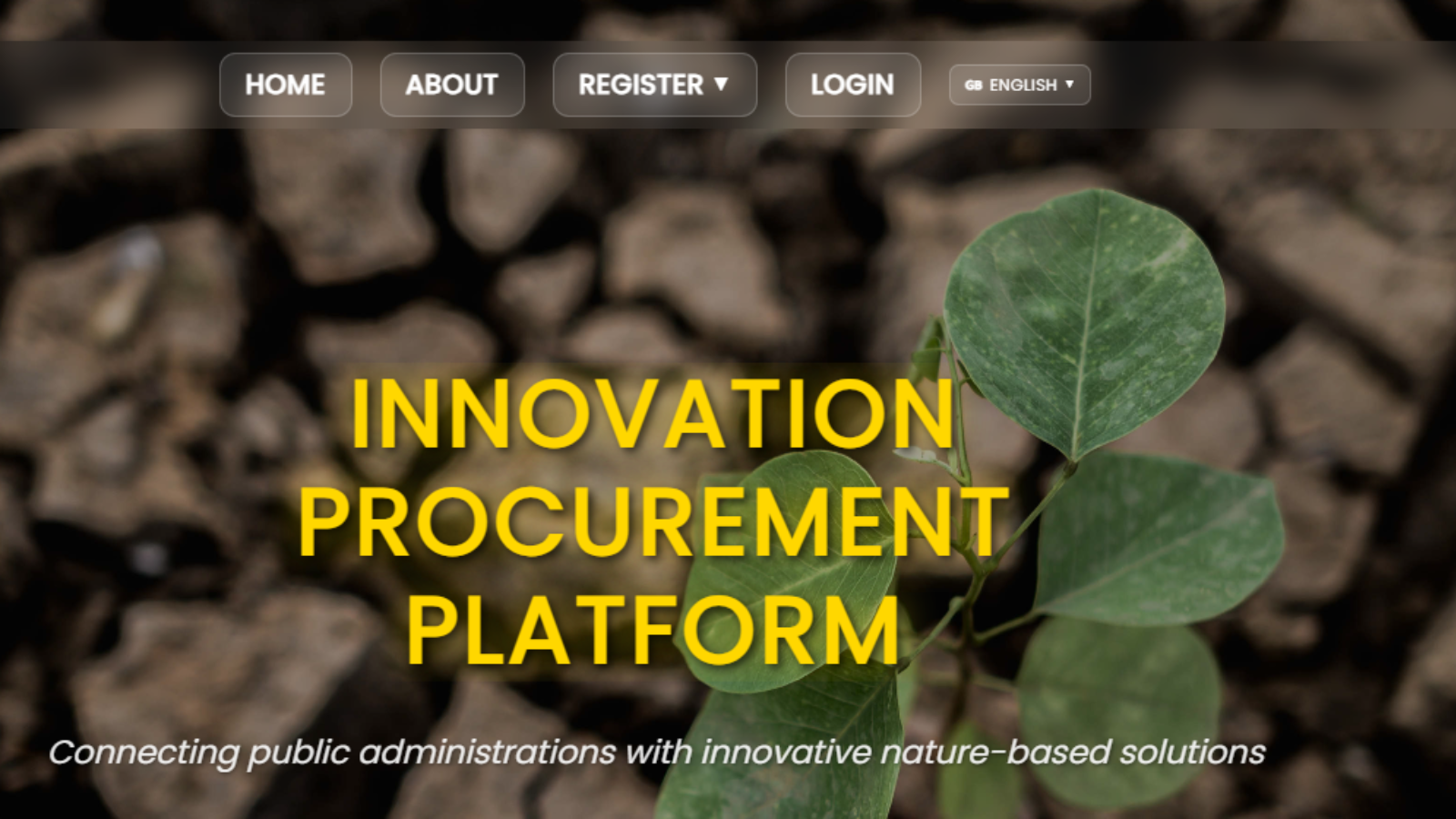
⚪ Procurement Platform (IPP)
Connect public authorities with innovative technological and nature-based solutions.
Pilot Sites
The Germ of Life pilot sites are where the project’s solutions are tested and validated under real-world conditions. Located across four Mediterranean territories with different environmental characteristics, they provide the opportunity to validate the project’s digital tools, assess their effectiveness and demonstrate how they can contribute to better drought risk management and stronger ecosystem resilience.
🍇 Vineyards under climate pressure
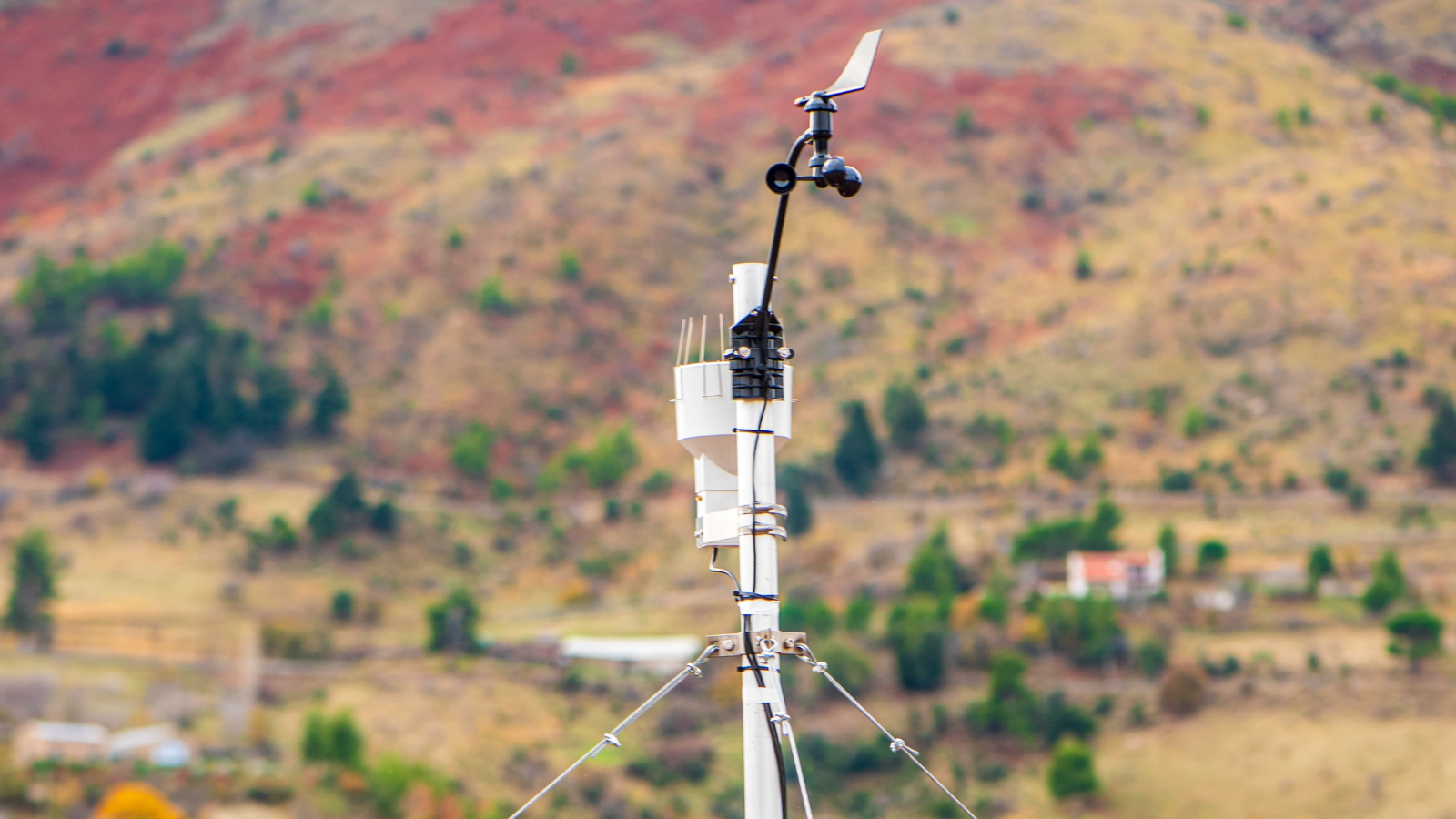
📍Location: Achaia (Western Greece)
The Greek pilot supports one of the region’s most emblematic agricultural landscapes: vineyards. By monitoring drought conditions and environmental variables, it helps winegrowers anticipate water stress, protect grape production and strengthen the resilience of local viticulture in the face of climate change.
💦 Safeguarding Mediterranean temporary ponds
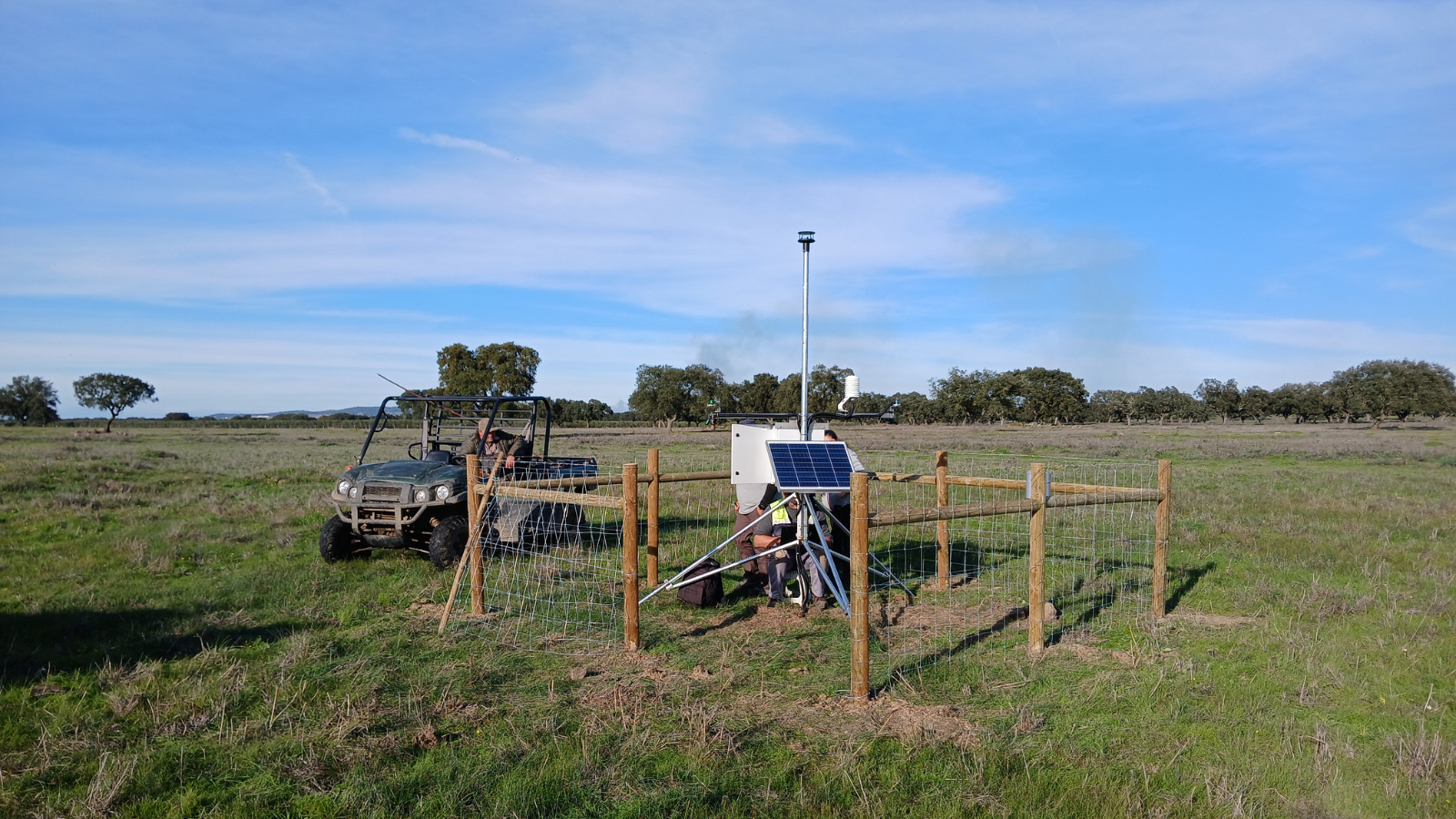
📍Location: Faro do Alentejo (Portugal)
The Portuguese pilot focuses on Mediterranean temporary ponds, one of Europe’s priority habitats for conservation. By monitoring hydrological and ecological conditions, it helps improve ecosystem conservation, supports restoration measures and strengthens adaptation to increasing drought conditions.
🌱 Protecting biodiversity in the Po River Park
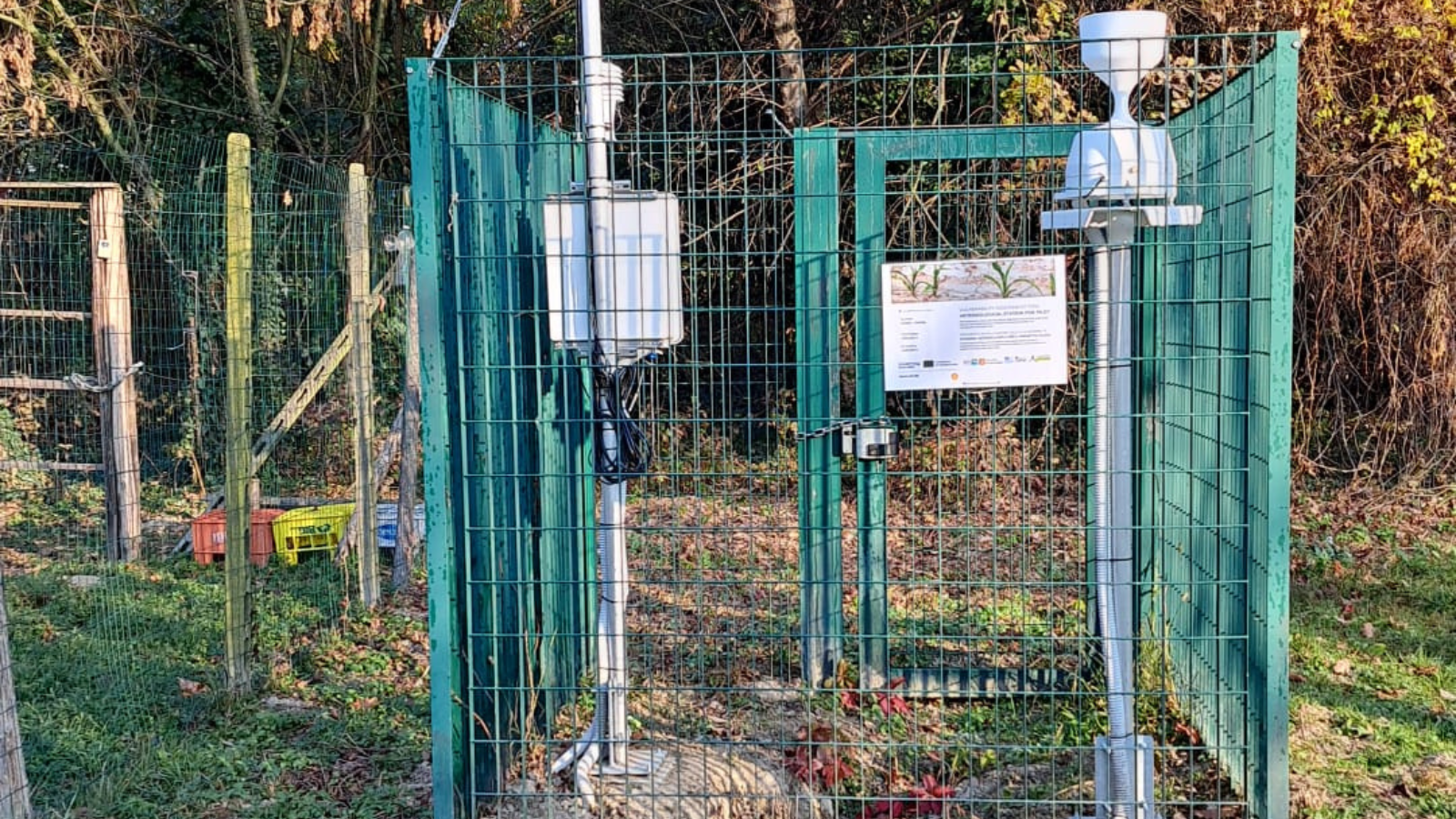
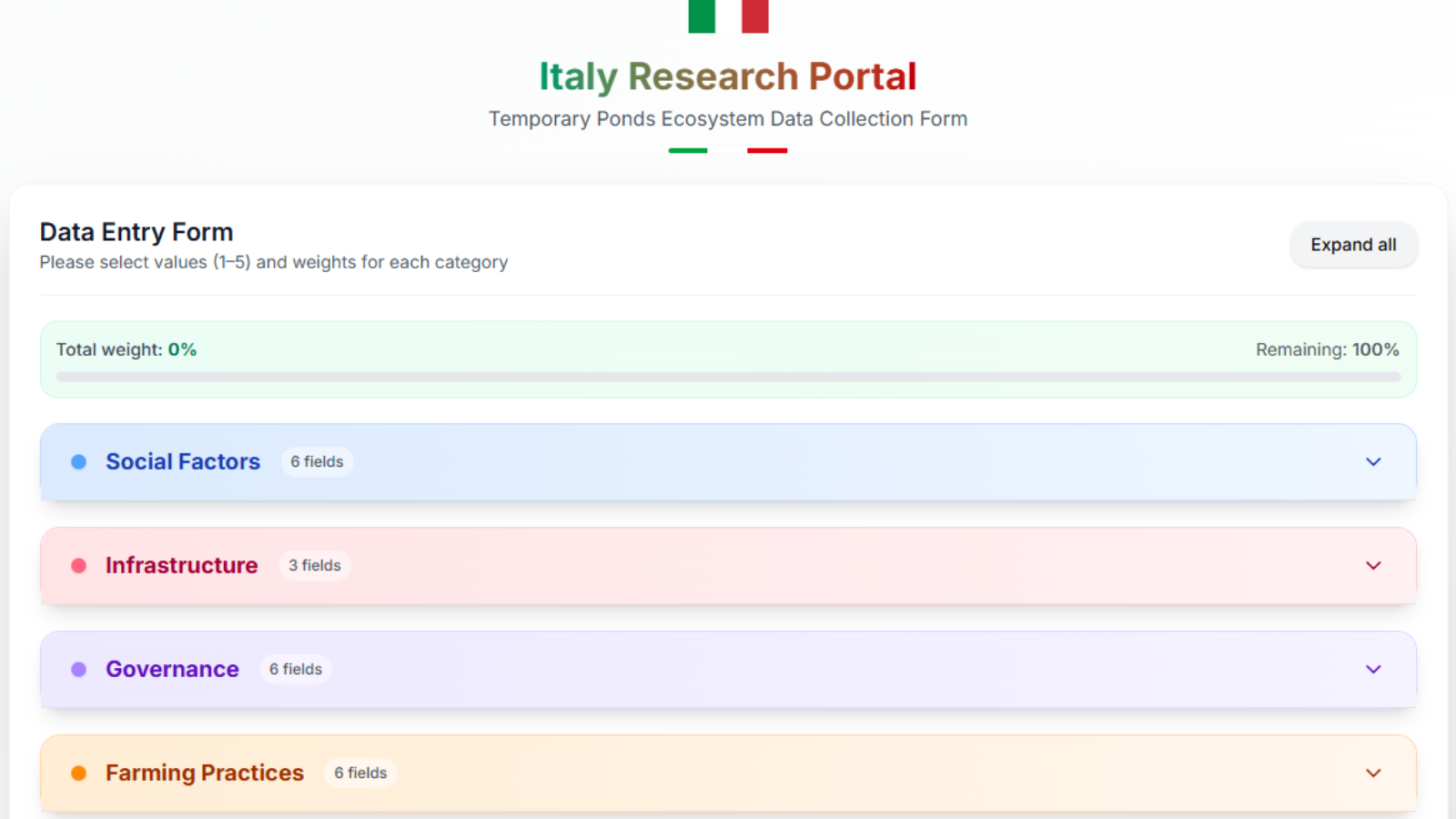
📍Location: Po River Park (Italy)
Located within one of northern Italy’s most valuable natural areas, the Italian pilot monitors drought impacts on meadows and river ecosystems. The information collected supports habitat restoration, biodiversity conservation and the validation of innovative drought management solutions.
🌳 Monitoring Mediterranean forests under water stress
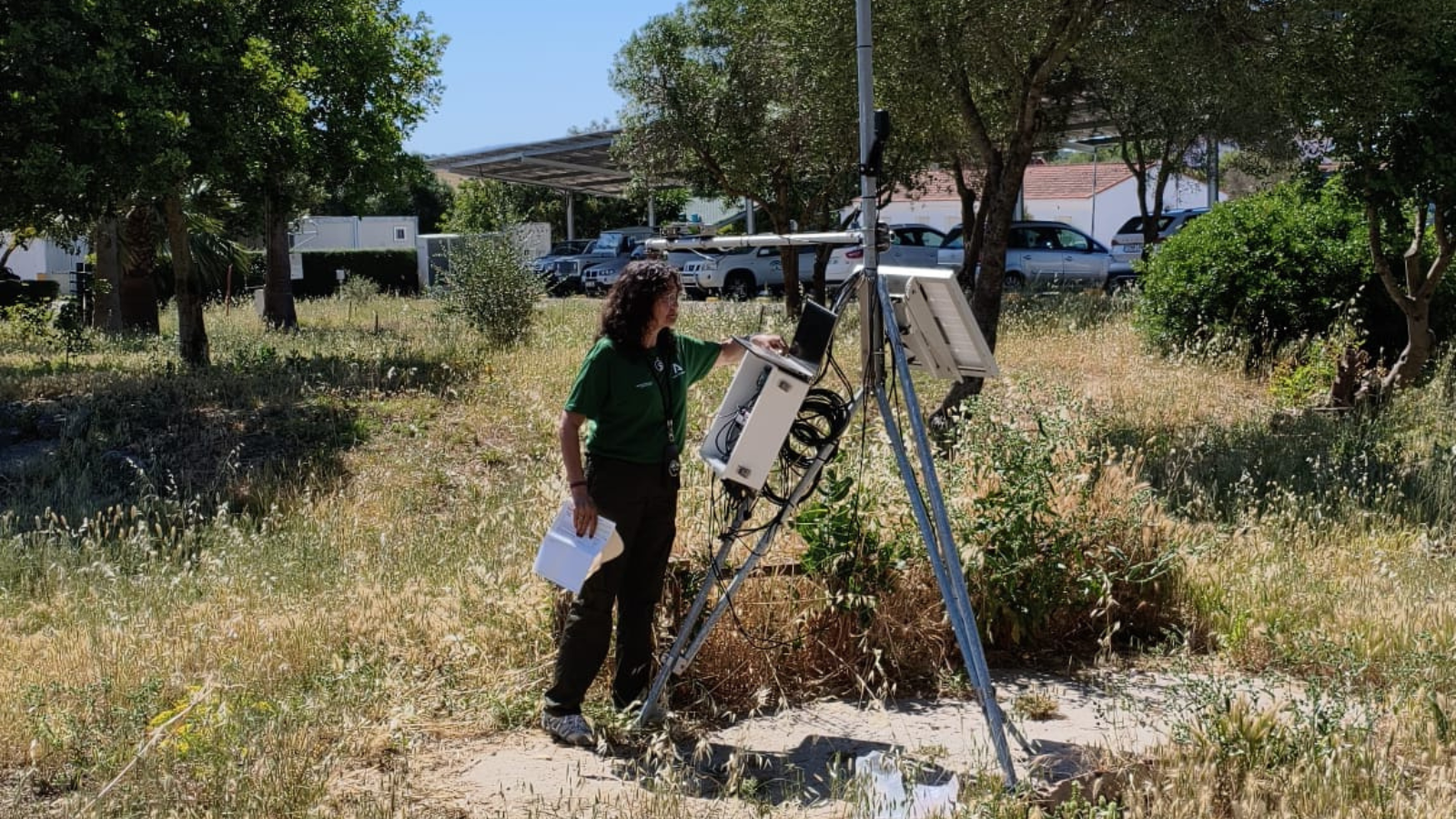
📍Location: Alcalá de los Gazules (Spain)
The Spanish pilot combines environmental monitoring, Earth Observation and artificial intelligence to detect early signs of water stress in Mediterranean forests. The information generated supports drought risk management, wildfire prevention and evidence-based environmental decision-making.
Work Plan and Deliverables / Outputs
A clear and detailed explanation of the various phases and activities that have been carried out to materialize the Germ of Life project, including accessible documentation to be downloaded, and webinar videos to facilitate the transfer of the results.
🧩Work Package 1
Requirements, Best Practices and Action Plans Assessment for the Development of the Joint Solutions
Development of three jointly developed solutions leading to the Germ of Life integrated solution, by analysing the current drought risk management practices and territorial requirement in four pilot test areas (PTA) in four Med-countries
Deliverable 1.1.
💧Drought indices review
This document contains the description of the selected indices suitable for the development of the project at the Pilot Test Areas and reports on the main activities done in the first part of the Activity 1.1 ‘Review of existing drought indices and formulation of new indicators/proxies that are potentially useful from drought detection and impact quantification’ and carried out on in the frame of WP 1.
Deliverable 1.2.
📈 Description of algorithms
This document contains the description of the algorithms used in order to compute the selected drought indicators SPEI (Standardised Precipitation Evapotranspiration Index), CWSI (Crop Water Stress Index) and NDVI (Normalized Difference Vegetation Index). These indicators, chosen in concert with the scientific partners and involved stakeholders are useful for the development of the Vulnerability Assessment Tool (VAT), whose final aim is to support and orientate policy makers and stakeholders in the management and mitigation of drought events occurrence.
Deliverable 1.3.
💡Case studies definition, solutions design-thinking, Pilot Test Areas design
This deliverable serves as a design document for the Germ of Life software system platform and especially for bridging machine learning based tools to derive as well as forecast drought indices and associate them with Vulnerability Assessment Tool (VAT) system and in turn link to the IPP subsystem for actions to be taken in the pilot areas.
Deliverable 1.4.
🌦️Drought Risk Monitoring and Prediction Service – Technical Documentation
This deliverable covers the pipeline for data processing and calculation of drought indicators (source code) to be implemented in the proposed platform (dashboard), along with the exploratory Machine Learning models to forecast the selected droughts indicators and soil moisture (source code).
Deliverable 1.5.
🧮 Description of Drought Hazard Index (DHI) Calculation Algorithm
This deliverable is a document including the description of the necessary steps implemented to compute DHI. The calculation of this index is essential for the Vulnerability Assessment Tool (VAT) development-the project’s final integrated tool for evaluating drought risk across the Mediterranean ecosystems of interest. DHI serves as the basis for the calculation of one of the Vulnerability Assessment Index (VAI) parameters and provides a robust representation of drought hazard, capturing both meteorological stress and its effect on vegetation health.
Deliverable 1.6.
⚙️ Joint Developed Innovation Procurement Platform for Technologies and Nature-Based Solutions (NBS)
This deliverable presents the open-source digital platform developed within the Germ of Life project to support innovation procurement in the field of drought management and nature-based solutions (NBS). The platform connects public administrations with suppliers, enabling solution discovery, on-demand procurement, and automated environmental risk assessment across multiple Mediterranean countries. The document describes the platform’s architecture, core functionalities, technology stack, and deployment approach, providing partners and external stakeholders with a comprehensive overview of how the system operates and how it can be adopted or extended.
🧩Work Package 2
Test Activities and Evaluation of Solutions
The WP2 objective is to set-up, run and measure in real life conditions the uptake of Germ of Life solution in 4 Pilot Test Areas (PTA) in Portugal, Italy, Greece and Spain, including a plan for maintenance after the project conclusion.
Deliverable 2.1.
🧪 Solutions Test Protocol and Methodology
This deliverable presents the common methodology of the Test protocol and technical details of the pilot sites to ensure a smooth implementation of the in-situ monitoring environment.
🧩Work Package 3
Strategy and Action Plans
The aim of this WP is to jointly develop an amplification and transferability coordinated strategy to be used to enhance current regional and national drought management policies and defined plans in Med countries.
Deliverable 3.1.
🌱 Germ of Life Amplification and Transferability Strategy
This deliverable defines the Germ of Life Amplification and Transferability Strategy and represents the final step of the project, in which the platform will be operative before the ending of the project and giving the opportunity to the stakeholders in the future to use the platform. It consolidates all the technological and methodological advances achieved throughout the project’s lifecycle and outlines the pathway for their effective implementation and transfer.
Deliverable 3.2.
📝 Joint Action Plan Model
The Joint Action Plan Model serves as a guiding instrument enabling project partners to translate project outputs into concrete territorial strategies. It supports the development of coherent local Action Plans by providing a shared structure, methodological guidance and content explanations.
📅 Activities
🎥 Webinar 1 | Drought Analytics in Practice – Indices, Forecasting & Regional Implementation
This first Germ of Life webinar explores how drought develops and affects different regions across Europe. It presents the project’s scientific foundations and digital innovations, including drought indices, monitoring approaches, and forecasting models designed to support more informed and timely decision-making. The session also highlights early pilot implementations in Greece and Italy, showing how advanced analytics are being translated into practical tools to help authorities detect emerging risks, plan mitigation actions, and strengthen long-term climate resilience.
🎥 Webinar 2 | Climate-Compatible Procurement, Co-Design Approaches & Foundations of Vulnerability Assessment in Germ of Life
This second Germ of Life webinar explores how climate-compatible procurement, participatory co-design processes, and vulnerability assessment methodologies can support the adoption of nature-based solutions (NBS) in Mediterranean regions facing increasing climate pressures. The session introduces the Germ of Life innovation procurement platform, the collaborative co-design approach used to capture stakeholder needs, and the foundations of the project’s vulnerability assessment framework—key elements that will help regional authorities plan, evaluate, and implement climate-resilient solutions more effectively.
🎥 Webinar 3 | From Assessment to Action: Demonstrating the Germ of Life Platform, Vulnerability Assessment Tool (VAT) and Pilot Applications
This third Germ of Life webinar presents the project’s fully developed digital solutions, showcasing how scientific knowledge has been transformed into user-friendly tools that support drought risk assessment and decision-making. Participants will be introduced to the Germ of Life digital platform and the Vulnerability Assessment Tool (VAT), gaining insight into their functionalities, applications and potential benefits for public authorities, water managers, researchers and other stakeholders. Through live demonstrations and real-world pilot experience from Portugal, the session will highlight how these tools can support the identification of vulnerable areas, improve drought preparedness and facilitate evidence-based adaptation planning.