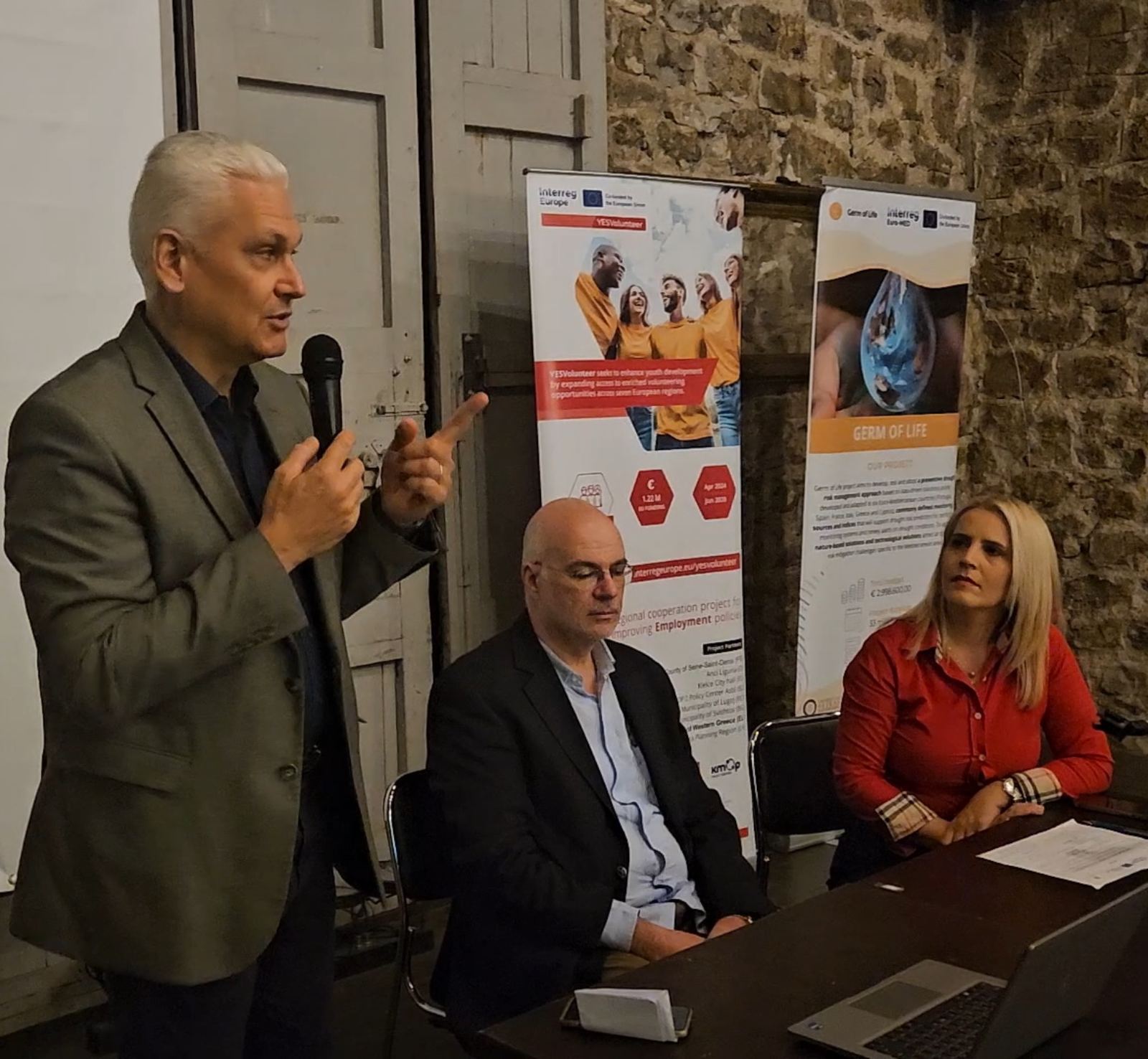

An informational event focusing on digital tools for drought prevention and strengthening civil protection was organized by the Region of Western Greece in Patras. Within the framework of the European project Germ of Life, which is funded under the Interreg Euro-MED programme and focuses on developing innovative tools for drought risk prevention and climate adaptation in Mediterranean regions.
The main objective of the event was to present innovative technological approaches that can support early warning systems, environmental monitoring, and improved crisis management, particularly in relation to climate-related risks such as droughts, floods, forest fires, and other natural disasters.
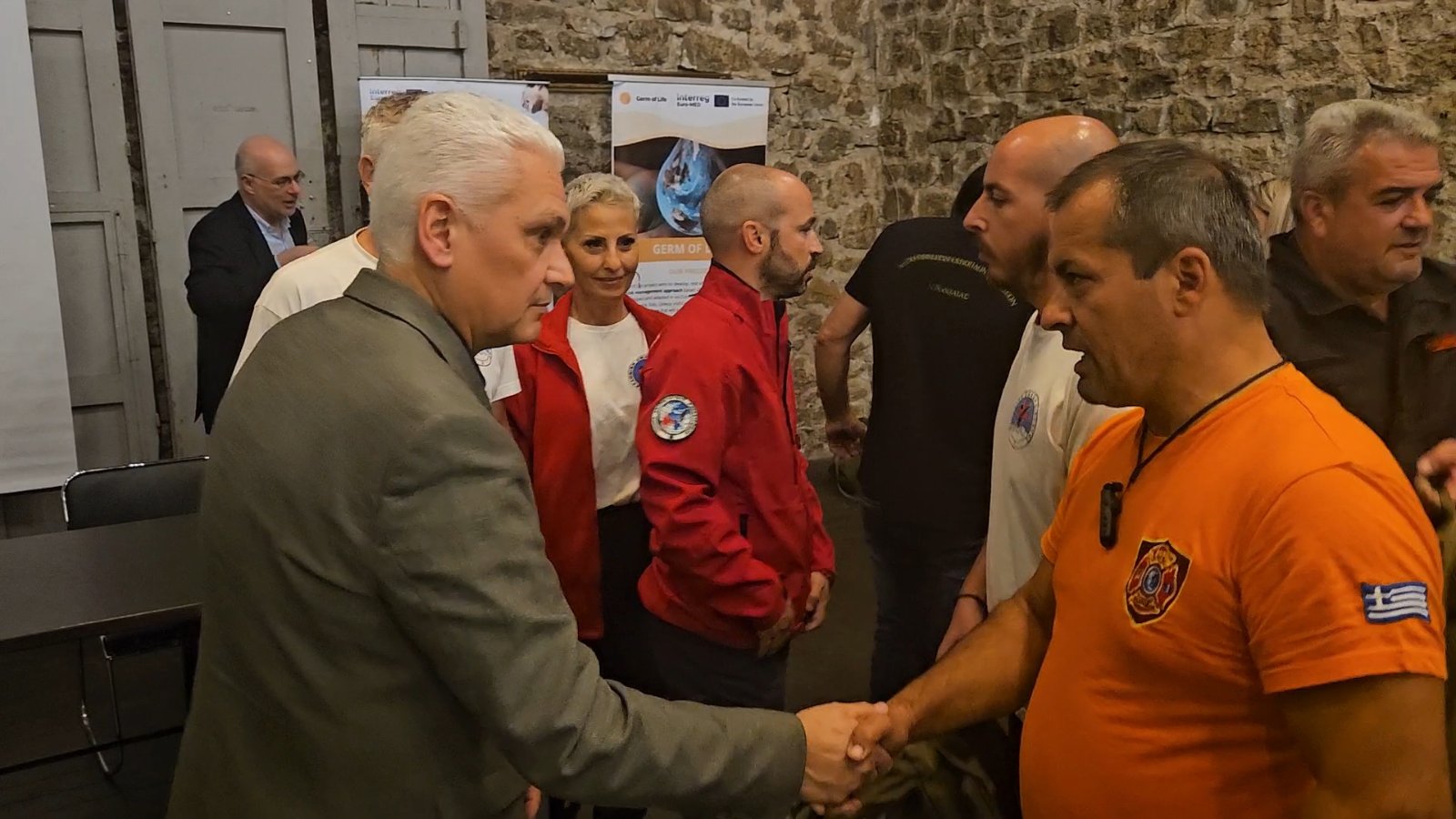
The event took place at the cultural venue “Michanourgeio” and brought together representatives from regional authorities, research institutions, volunteer organizations, and civil protection stakeholders. It was also organized in collaboration with another Interreg project (YES Volunteer, Interreg Europe) focusing on volunteer engagement and civil protection cooperation, highlighting the importance of coordination between public authorities, scientific institutions, and volunteer organizations in addressing environmental challenges.
The Vice Governor of Achaia, Fokion Zaimis, emphasized the importance of strengthening cooperation between regional authorities and volunteer groups, while also highlighting the role of technological innovation in improving preparedness and prevention mechanisms. According to the regional authorities, the goal is to enhance coordination during crisis situations and increase awareness among citizens regarding disaster prevention.
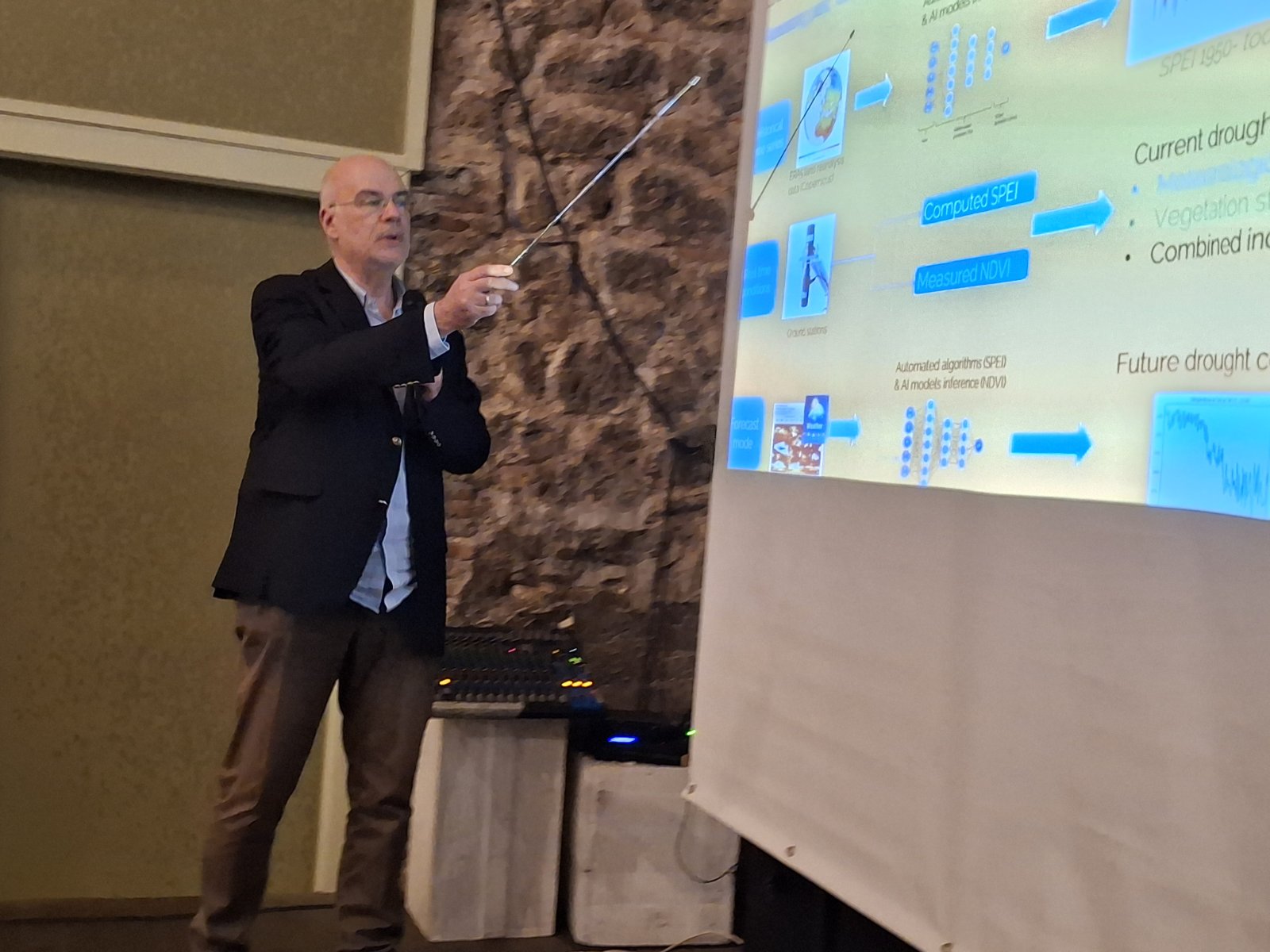
The University of Patras participated in the event as scientific partner and coordinator of the Germ of Life project. Their representatives, led by Athanassious Argiriou, Professor of Atmospheric Physics and coordinator of the project, made presentations on the objectives of the project and the scientific methodologies being developed for monitoring drought conditions and supporting decision-making processes.
During the presentations, the scientific team explained how digital tools, meteorological data, and environmental indicators can be used to monitor drought conditions and improve early warning systems. These tools aim to support public authorities and local communities in responding more effectively to climate-related risks.
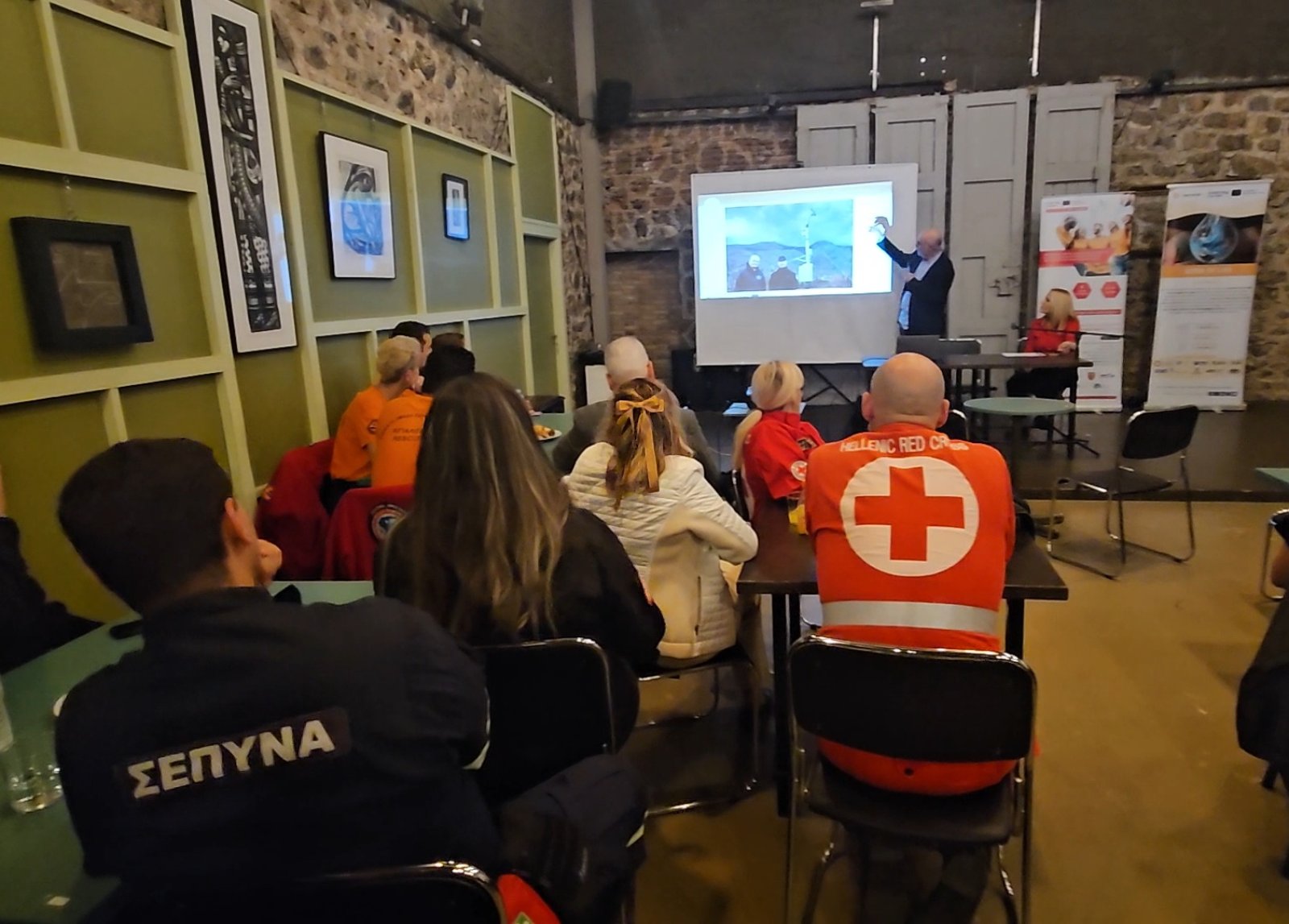
The event provided an important opportunity for knowledge exchange between researchers, public authorities, and volunteer organizations. It also contributed to increasing awareness about the Germ of Life project and its role in promoting climate resilience and sustainable management of natural resources in the Mediterranean region.