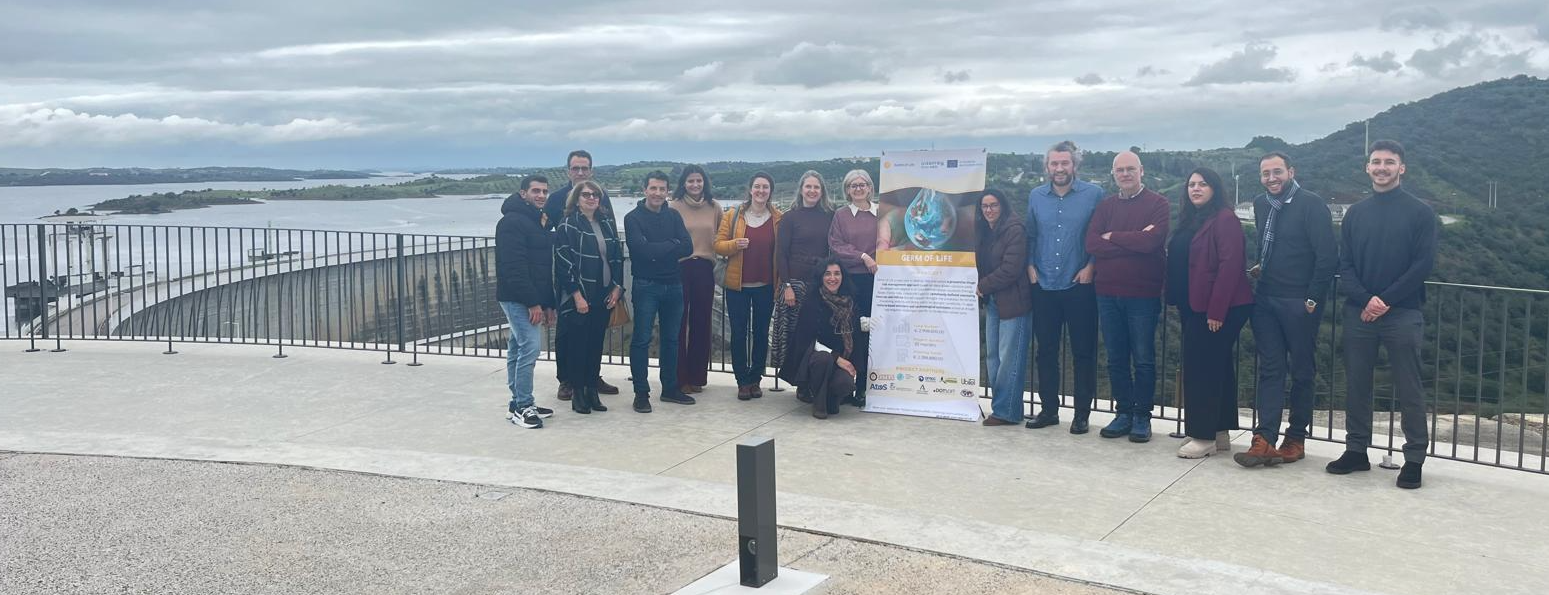

The fifth in-person meeting of the Germ of Life project, hosted by EDIA – The Development and Infrastructure Company of Alqueva at the Alqueva Centre in Beja, Portugal, on January 15 and 16, served to plan the final phase of the work and the achievement of the project’s objectives. Germ of Life, co-financed by the Interreg Euro-MED Programme, is developing an innovative system of digital technologies to improve the preventive management of drought risks.
The working sessions were led by the project leader, Professor Athanassios A. Argiriou, and the project manager, Panagiota Saranti, both from the University of Patras.
The 10 partners of Germ of Life project are: University of Patras (Greece), Lead Partner; Region of Western Greece; Foundation Euro-Mediterranean Center on Climate Change – CMCC (Italy); Lamoro Development Agency (Italy); Atos (France); Ubitel (Spain); The Development and Infrastructure Company of Alqueva – EDIA (Portugal); Junta de Andalucía (Spain); Dotsoft (Greece) and Infotrend Innovations Company (Cyprus).
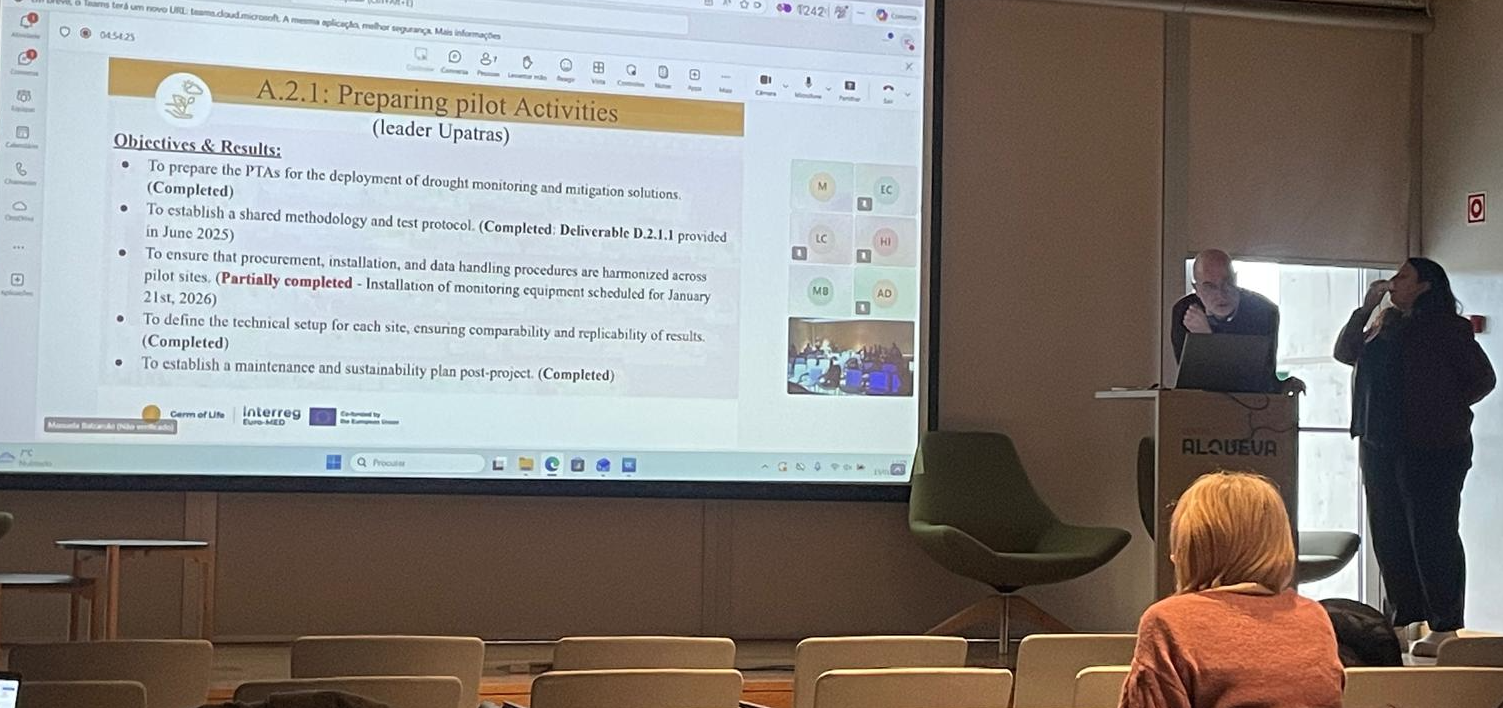
Thanks to the collaboration of all the partners, we all have developed a document as the basis component for the correct implementation of the 3 platforms that compose our global platform to mitigate the effect of drought.
Drought Risk Monitoring and Prediction service (Software): This task covers the pipeline for data processing and calculation of drought indicators (source code) to be implemented in the proposed platform (dashboard), along with the exploratory machine learning models to forecast the selected drought indicators and soil moisture (source code).
Vulnerability Assesment Tool. Open-Source software easily scalable and transferable depending on stakeholders needs, coupled with advanced security policies and norms and prior to be deployed it will undergo a penetration and vulnerability assesment test.
Innovation Procurement Platform. Open-Source software easily scalable and transferable depending on stakeholders needs, it includes a db of technologies and nature based solutions scouted along the Project.
Among the next steps for the final joint platform’s integration, the pilot tests can start mid February.
The work agenda in Beja included a visit to the Portuguese Pilot Area. The EDIA technical team explained the characteristics of the Mediterranean Temporary Pond Habitat case study, using the Portuguese Pilot Site as an example, with its installed sensors and station dashboards.
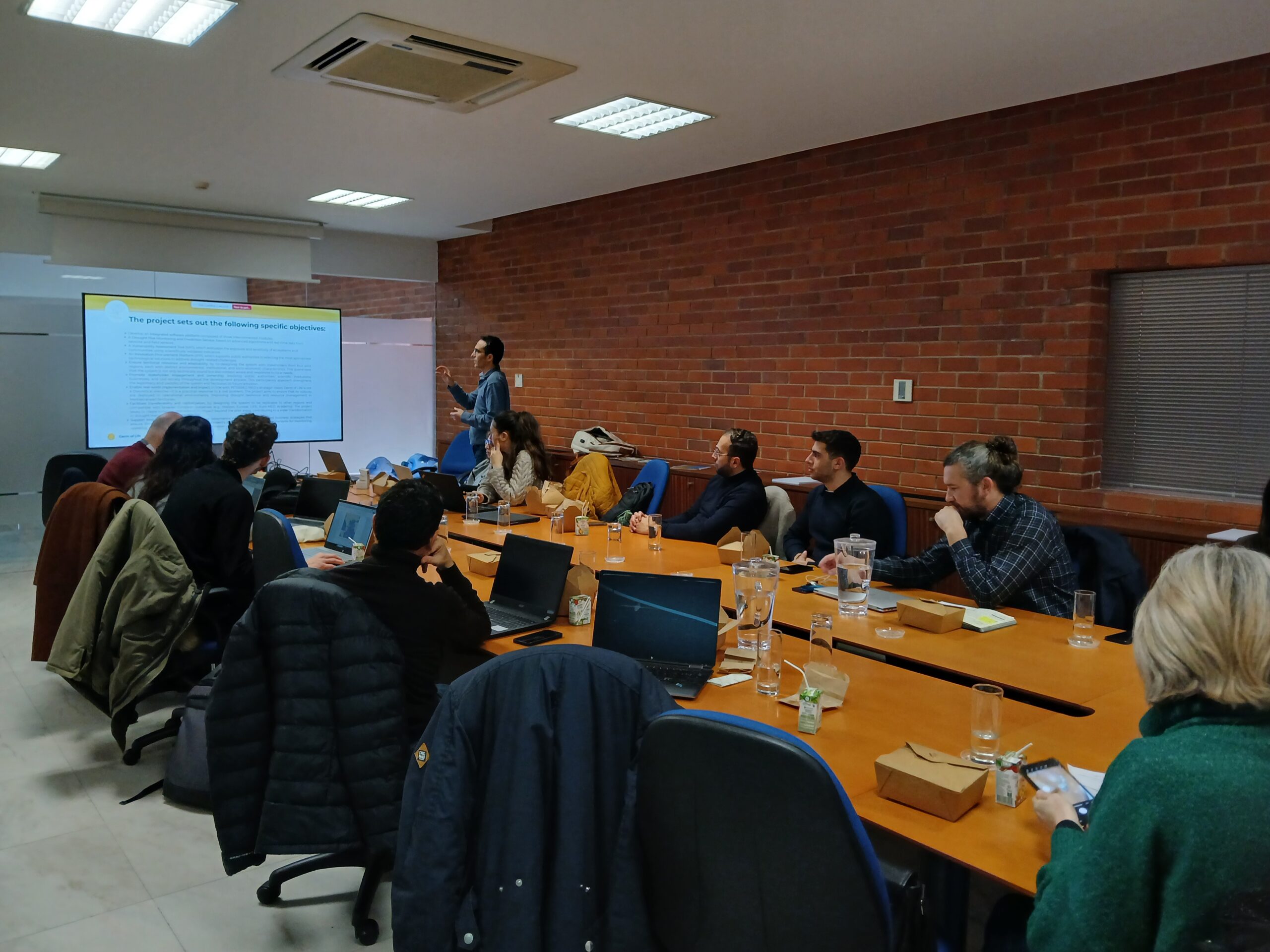
The meeting made progress on the amplification and transferability strategy. It represents the final step of the project, marking the transition from development to real-world deployment and adoption by relevant stakeholders. It consolidates all the technological and methodological advances achieved throughout the project’s lifecycle and outlines the pathway for their effective implementation and transfer.
The Germ of Life project adopts a comprehensive and forward-looking approach to ensure that its results are not only technically robust, but also sustainable over time, capitalizable across sectors, and replicable in diverse territorial contexts. The strategy is essential to fulfil the expectations of the Interreg Euro-MED Programme, which prioritizes the real-world application of funded innovations to address concrete challenges faced by European citizens.
The final beneficiaries of the project are:
- Citizens in Drought-Affected Areas
- Agricultural and Land Management Communities
- Public Authorities and Local Governments
- Environmental and Civil Protection Agencies
- Educational and Research Institutions
- Broader European Society
The 6th Project Meeting and Final Event will take place in Patras in the last week of May 2026, organized by the University of Patras and the Region of Western Greece.
The presentations made by Portugal entities were also very valuable, in order to learn about research and experiences in Portugal that are related to the themes and objectives of Germ of Life.
Elsa Nunes, from IrRadiare, explained the strategies of the Natural Heritage Mission as a platform for Interreg Euro-MED projects, which includes Germ of Life. The Natural Heritage Mission focuses its efforts on addressing this exact challenge: protecting, restoring, and valuing natural resources. By leveraging existing networks, it will identify opportunities to enhance collaboration for policy harmonization and innovative governance practices. An event organized by the Natural Heritage Mission is planned for the first half of 2026 in Lisbon in connection with European Maritime Day.
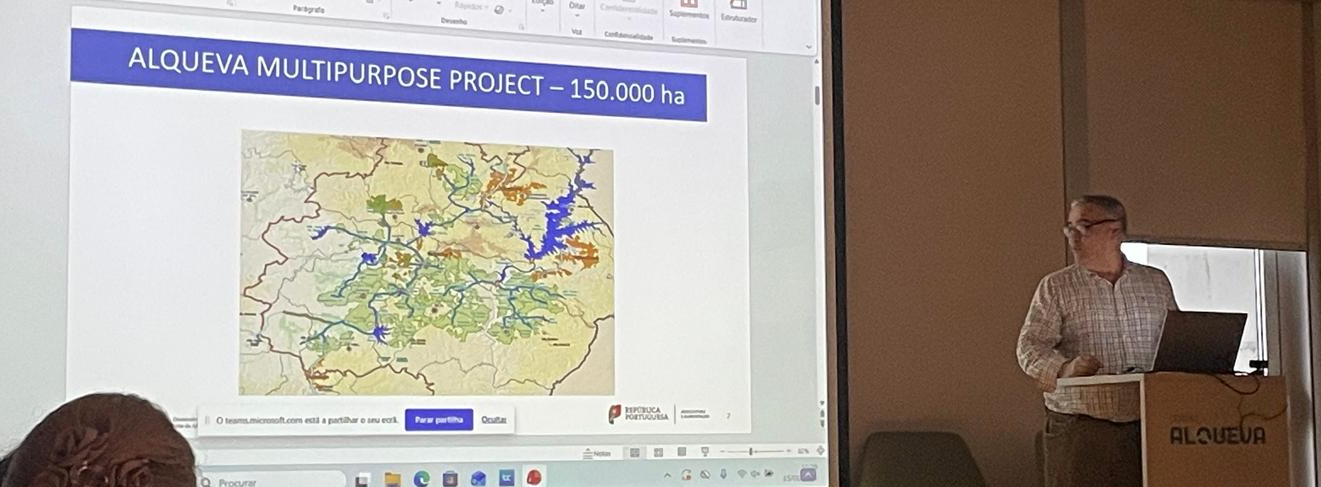
José Costa Gomes, de EDIA, presented ‘Climatic Change in Irrigation: Alqueva Project’. Alqueva is based on the concept of multiple purposes and the integrated management of its strategic water reserve. Alqueva creates pathways for water: routes that enhance public supply by supporting five dams that serve around 200,000 residents, and promote agriculture with an irrigated area of approximately 130,000 ha.
Alqueva ensures the interconnection between dams and reservoirs, guaranteeing that water is available even in periods of extreme drought, covering an area of approximately 10,000 km2 across the districts of Beja, Évora, Portalegre, and Setúbal, encompassing a total of 20 municipalities.
Representatives from CIMBAL (Comunidade Intermunicipal do Baixo Alentejo) were also invited to participate in the meeting, where they presented their strategies and actions for adapting to climate change. The Baixo Alentejo Region, through CIMBAL, is one of the partner regions in the RESIST European project, which includes the participation of 56 partners (from 15 countries) and a total investment of 26 million euros (more than 5,6 million euros to Portugal). Among the 56 European consortium partners, European associations, investigation groups for climate change, and agencies for innovation and communication organisation are integrated.
Mariana Fernandes, a researcher at the University of Évora and a member of the Mediterranean Institute for Agriculture, Environment and Development and the Global Change and Sustainability Institute, presented extensive data on the positive results of projects aimed at improving the conservation of Mediterranean temporary ponds.
These are the main points of her presentation:
- Knowledge of the habitat dynamics is crucial
- Hydroperiodreestablishmentis the most important factor in Mediterranean temporary ponds (MTPs) restoration, as it is the maindriverof this habitat functioning.
- This habitat conservation is compatible with moderate and extensive land use
- Interventions should be done only in the dry(dormant) season
- Simulation of animal disturbance by plant biomass removal and topsoil disturbance can be considered an effective nature-based restoration technique for MTPs.
- Climate-smart restoration approachis recommended to enhance the success and cost-effectiveness of MTPs’ restoration actions.
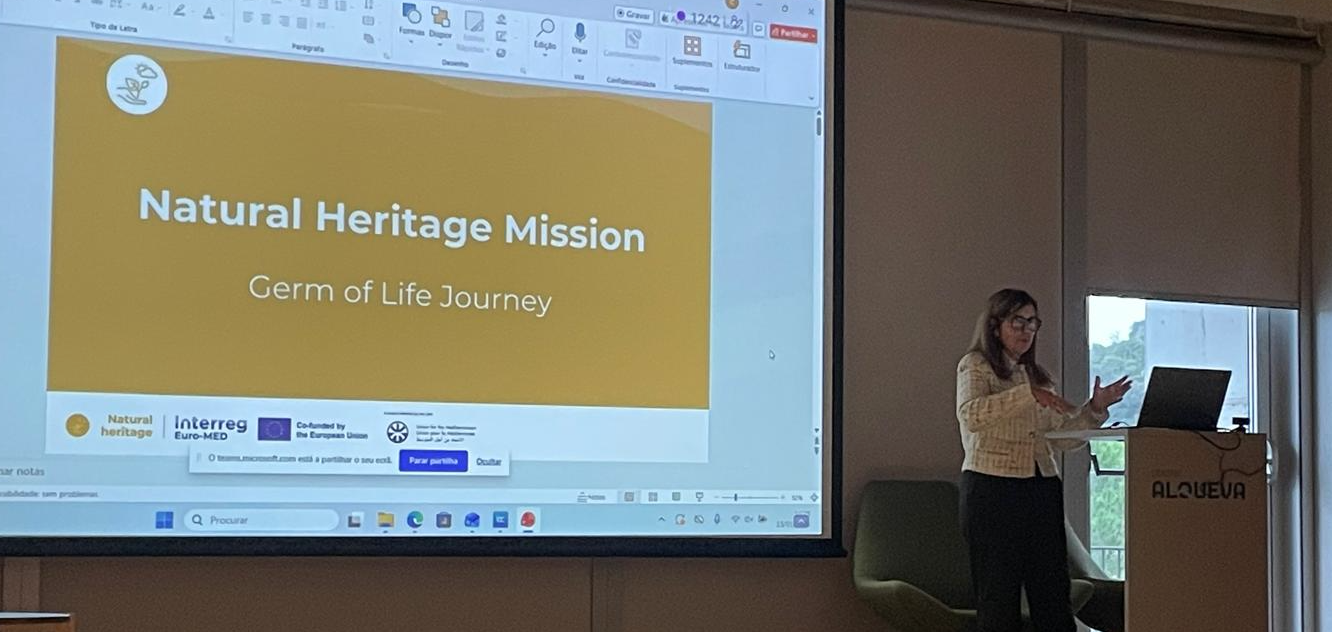
The president of EDIA, José Pedro Salema, spoke at the opening of the working meeting. He explained the importance for Portugal and for Europe of EDIA’s work in water management, environmental protection, and socioeconomic development. In addition, José Pedro Salema was kind enough to guide the entire Germ of Life team to visit the Alqueva Center and explain what it is all about.
Located next to the Alqueva dam, the Alqueva Center is an interpretive space open to the public, dedicated to the largest hydro-agricultural project in the country, designed to reveal the dimension, complexity and strategic relevance of a system that has profoundly transformed the Alentejo territory.
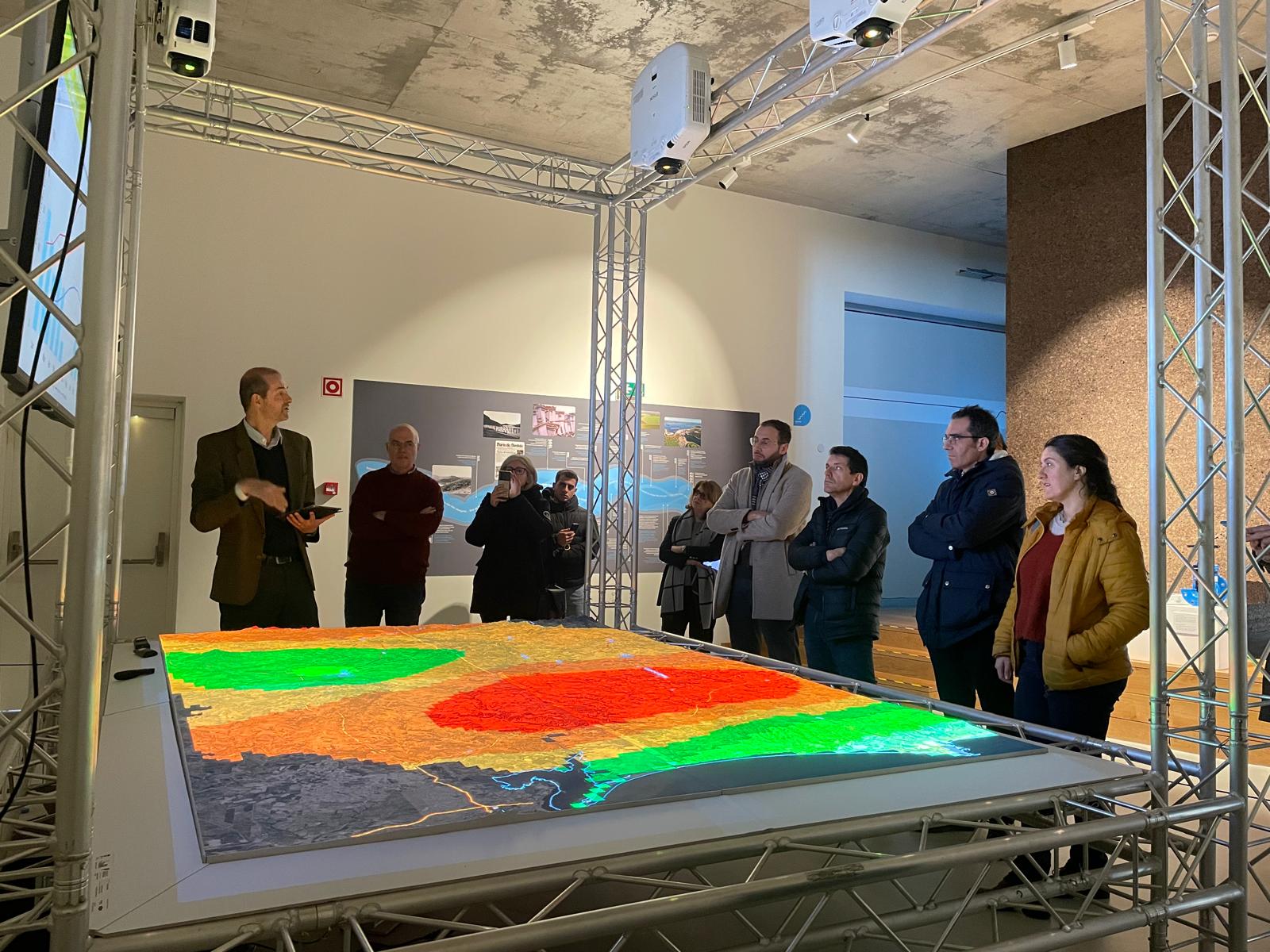
Through interactive exhibition content, immersive experiences, real equipment and infrastructure models, the Alqueva Center allows visitors to understand the project’s trajectory, the integrated management of water resources, its contribution to agriculture, energy, public supply, tourism, territorial planning and the creation of economic and social value on a regional and national scale.
The space offers guided tour programs aimed at groups, schools, visitors and all those interested who visit the Alqueva dam, promoting an accessible and contextualized understanding of the project and its impact on the territory.
The Alqueva Center’s digital presence aims to bring this space closer to different audiences, providing up-to-date information, disseminating initiatives and promoting content that reinforces knowledge and understanding of a structuring project for the country.