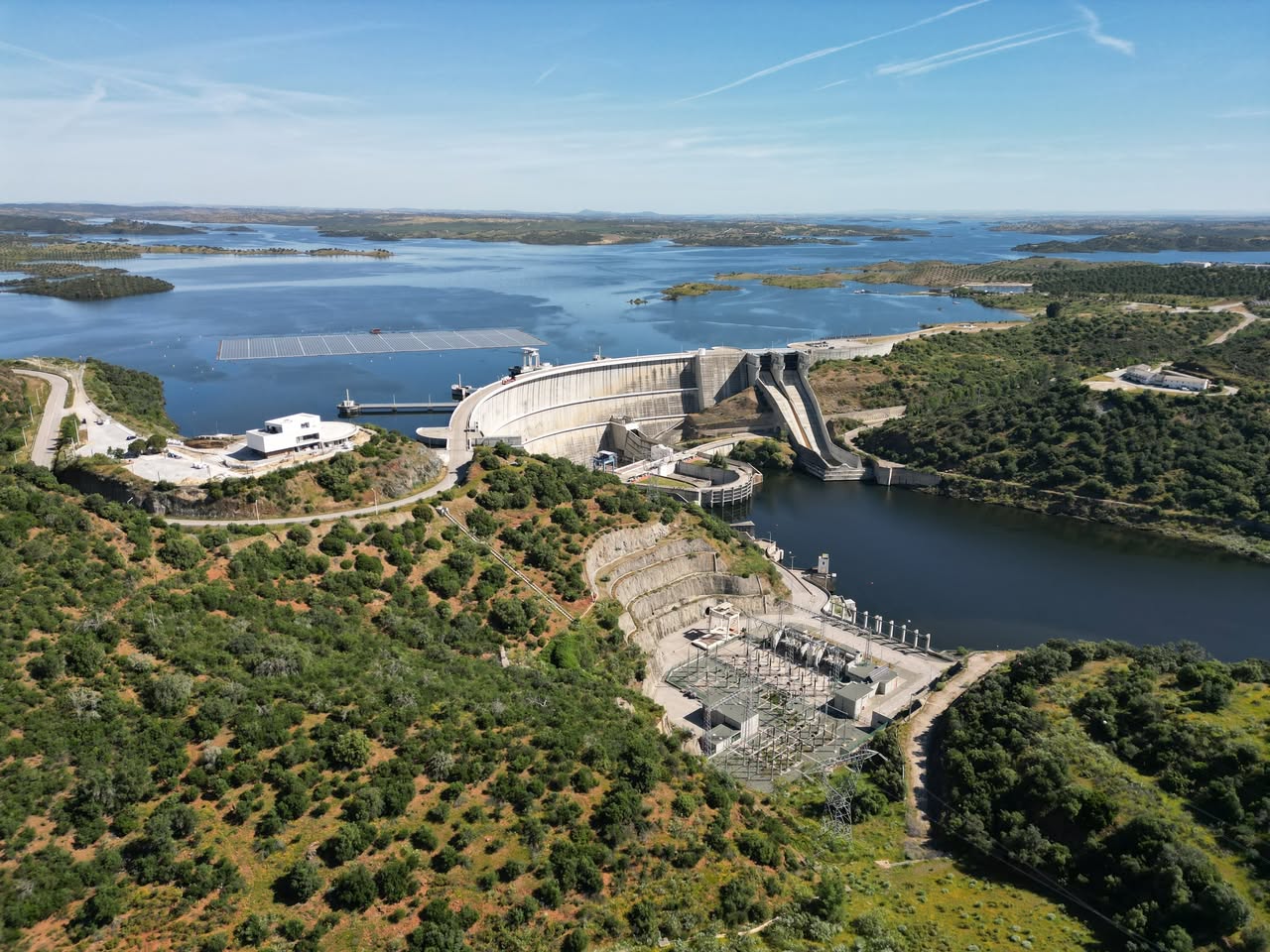

Germ of Life will hold its 5th Project Meeting and 5th Steering Committee Meeting on January 15th and 16th in Beja, Portugal. The meeting is organized by EDIA, the Development and Infrastructure Company of Alqueva, one of the partners in this project aimed at improving drought risk prevention and mitigation.
The meeting will take place at the Alqueva Center, EDIA’s headquarters, where all participants will have the opportunity to tour the facilities of this wholly state-owned company. EDIA was created in February 1995 to design, implement, construct, and operate the infrastructure of the Alqueva Multipurpose Enterprise and to promote the economic and social development of its area of action.
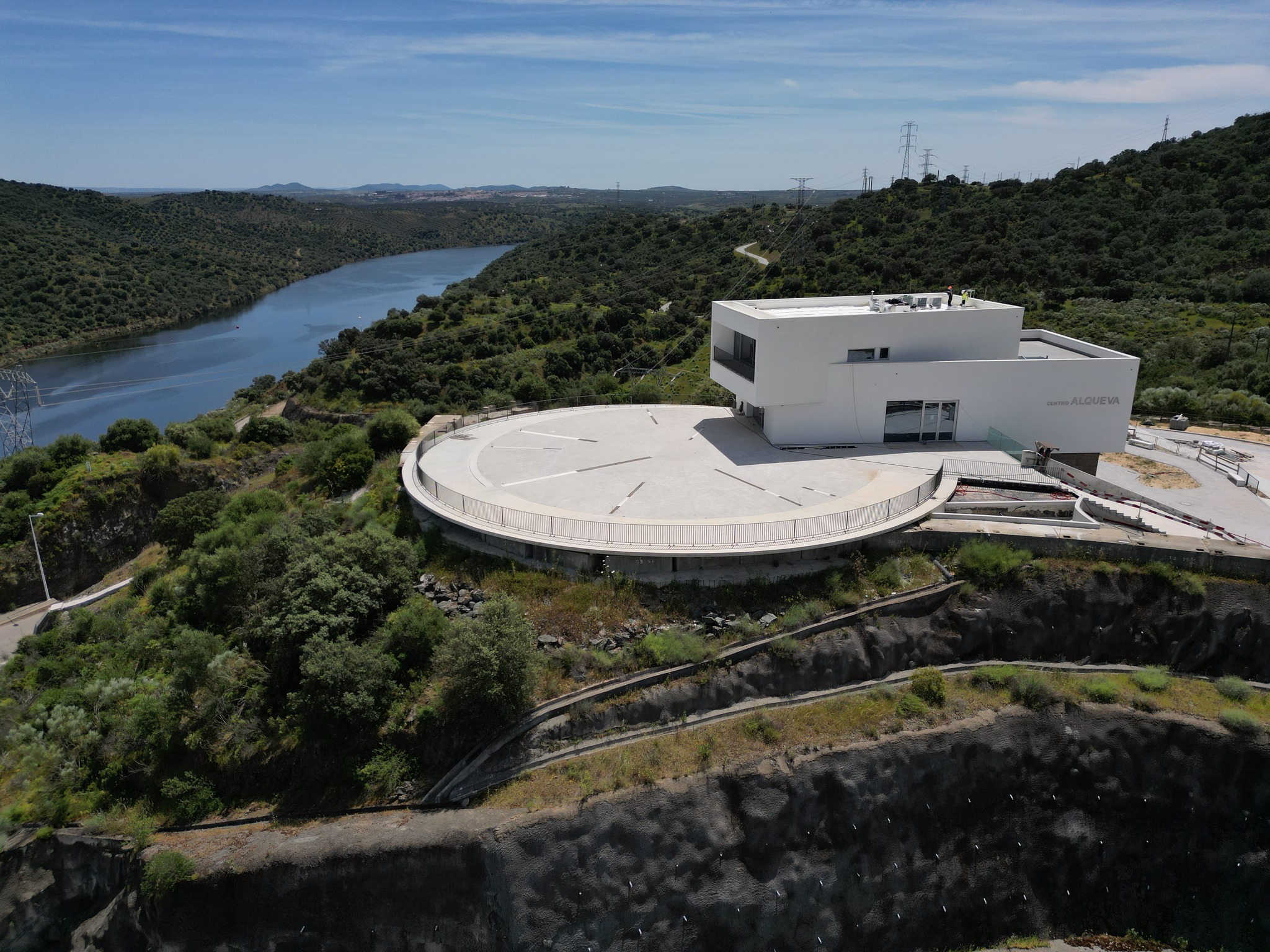
The Alqueva Center, located next to the dam, is EDIA’s new space, open to the public to provide an immersive experience where science, models, and equipment allow visitors to understand the scale and relevance of the Alqueva Project.
Supported by rigorous technical content, the Alqueva Center establishes itself as the reference point for understanding this crucial undertaking for the development of the Alentejo region and Portugal.
EDIA contributes to the development not only of the region but also of the country. It is a strategic reference as manager of the Alqueva infraestrutures and a relevant instrument for boosting the economy.
Today, EDIA is recognised in Portugal and abroad as a solid, strategic company that is vital to the project and ensures the profitability of its agricultural component in order to promote the region as an area of reference for new investments and setting up bridges between investors and local entrepreneurs with a view to partnerships in different business areas. It is also directly responsible for designing, building and operating the Alqueva Multi-purpose Undertaking infrastructures.
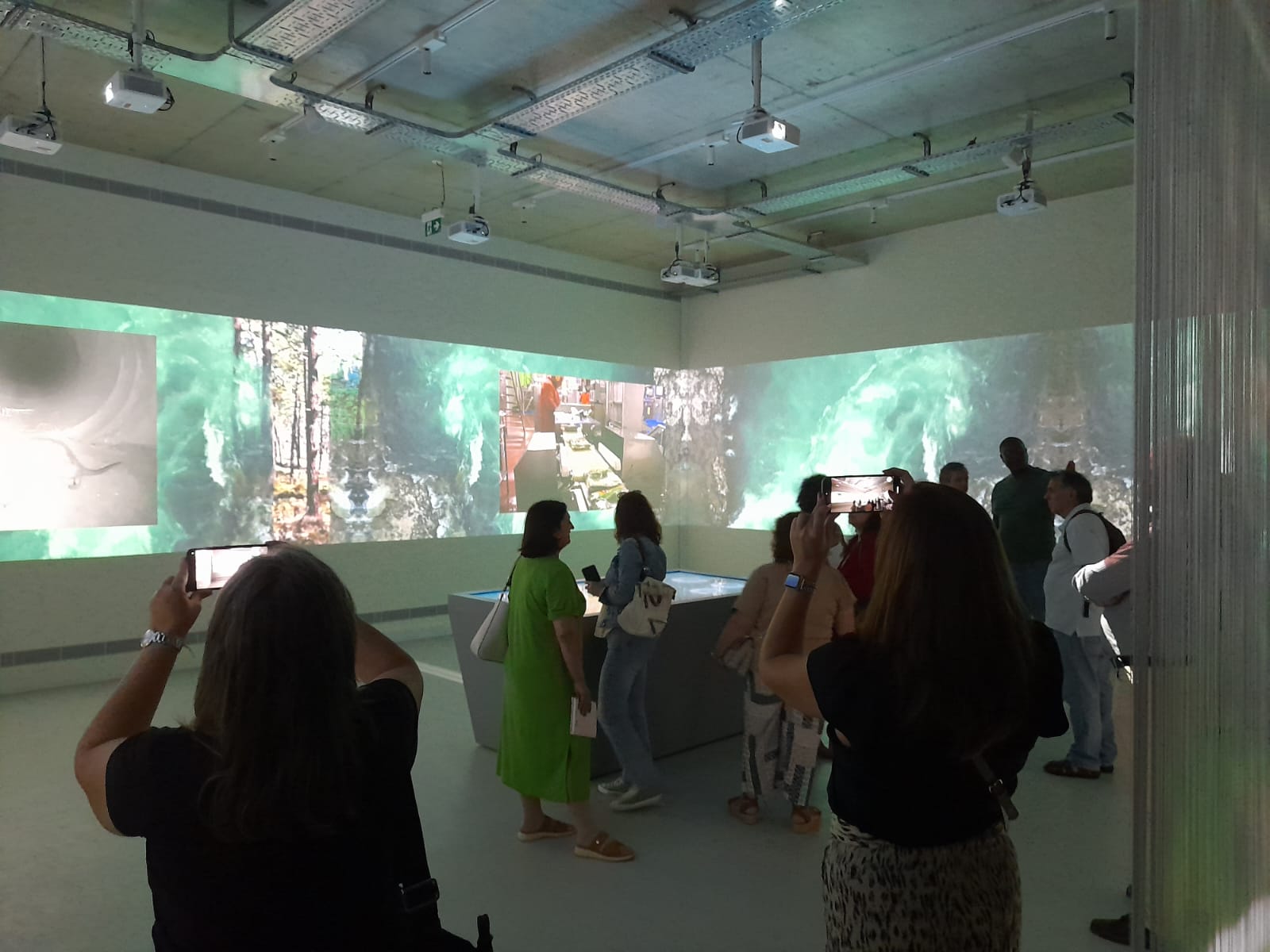
The meeting will begin with welcoming remarks from José Pedro Salema, President of EDIA, and Professor Athanassios A. Argiriou, leader of the Germ of Life project at the Laboratory of Atmospheric Physics of the University of Patras (Greece).
The working sessions, coordinated by Panagiota Saranti, Project Manager of Germ of Life at the University of Patras (Greece), will address progress in the project’s three main areas: Requirements, best practices, and action plan assessment for the development of joint solutions; test activities and evaluation of solutions; and strategy and action plans.
Topics to be analyzed include: description of algorithms; drought risk monitoring and prediction service; vulnerability assessment tool; innovation procurement platform; description of the integration process and deployment of platforms in the different pilot projects; carbon footprint tool; amplification and transferability strategy; joint action plan model and regional implementation; and others.
The program of this project meeting also includes presentations from various organizations on regional experiences.
Elsa Nunes, CEO of IrRadiare, an innovation consultancy collaborating with the Natural Heritage Mission, will explain the context surrounding the challenges of Germ of Life.
Mariana Fernandes, a researcher at the Mediterranean Institute for Agriculture, Environment and Development at the University of Évora, will present on the ‘Conservation of Temporary Mediterranean Ponds’.
Representatives from Cimbal, the Intermunicipal Community of Lower Alentejo, will explain the ‘Intermunicipal Plan for Adaptation to Climate Change in the Lower Alentejo Region’.
José Costa Gomes, director of agricultural engineering at EDIA, will speak about ‘Climatic Change in Irrigation: The Alqueva Project’.
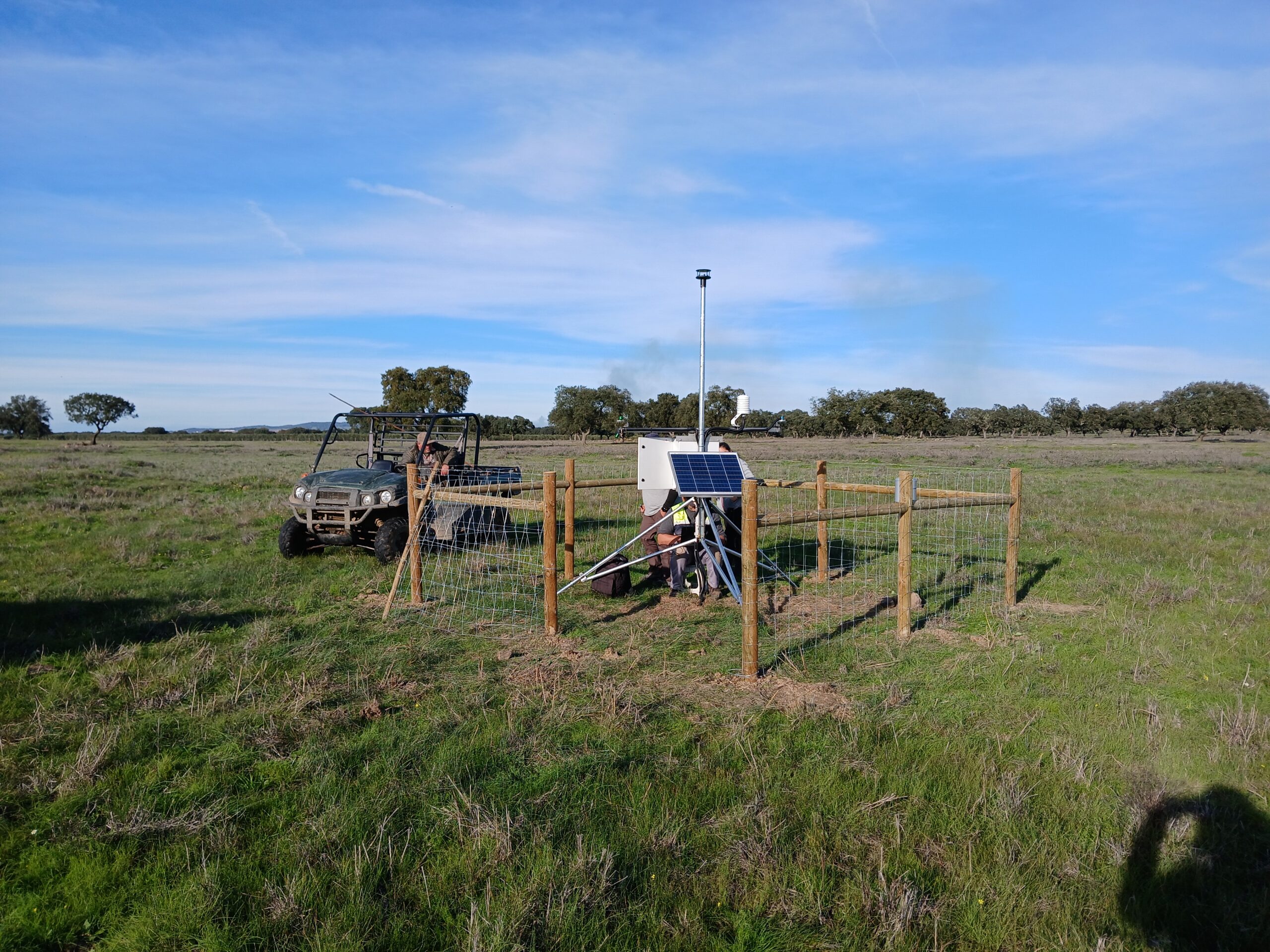
On the second day, all Germ of Life partners will travel by bus to visit the Portuguese pilot area dedicated to studying the Temporary Mediterranean Pond. The installation of an integrated environmental monitoring system will significantly improve knowledge of the hydrological, climatic and ecological functioning of the pilot site, as well as understanding the response of this ecosystem to climate change.