At Germ of Life, we recommend watching the full video recordings of each session to learn everything that was presented at the Water Resilience Forum.
Following the adoption of the European Water Resilience Strategy, the first Water Resilience Forum brought together policymakers, scientists, industry leaders, and civil society to chart the path toward a water-resilient EU by 2050.
The forum was organised in Brussels by the European Commission in collaboration with the Economic and Social Committee (EESC) and the Committee of the Regions (CoR), with the participation of Commissioner for the Environment, Water Resilience and a Competitive Circular Economy, Jessika Roswall, the President of the CoR, Kata Tüttő, and the President of the EESC, Séamus Boland.

Europe is facing increasing water scarcity, water quality degradation, and climate-related threats to both human well-being and economic competitiveness. The forum addressed these challenges head-on through dedicated sessions on financing innovative water solutions, strengthening industrial competitiveness through water resilience, and scaling water efficiency from local to global action.
The forum also addressed urban water challenges, digital transformation opportunities, and upskilling initiatives essential for building the water-secure Europe envisioned by 2050. Each session brought together key stakeholders to identify concrete pathways for accelerating implementation and fostering the coordinated action needed to achieve water security for all.
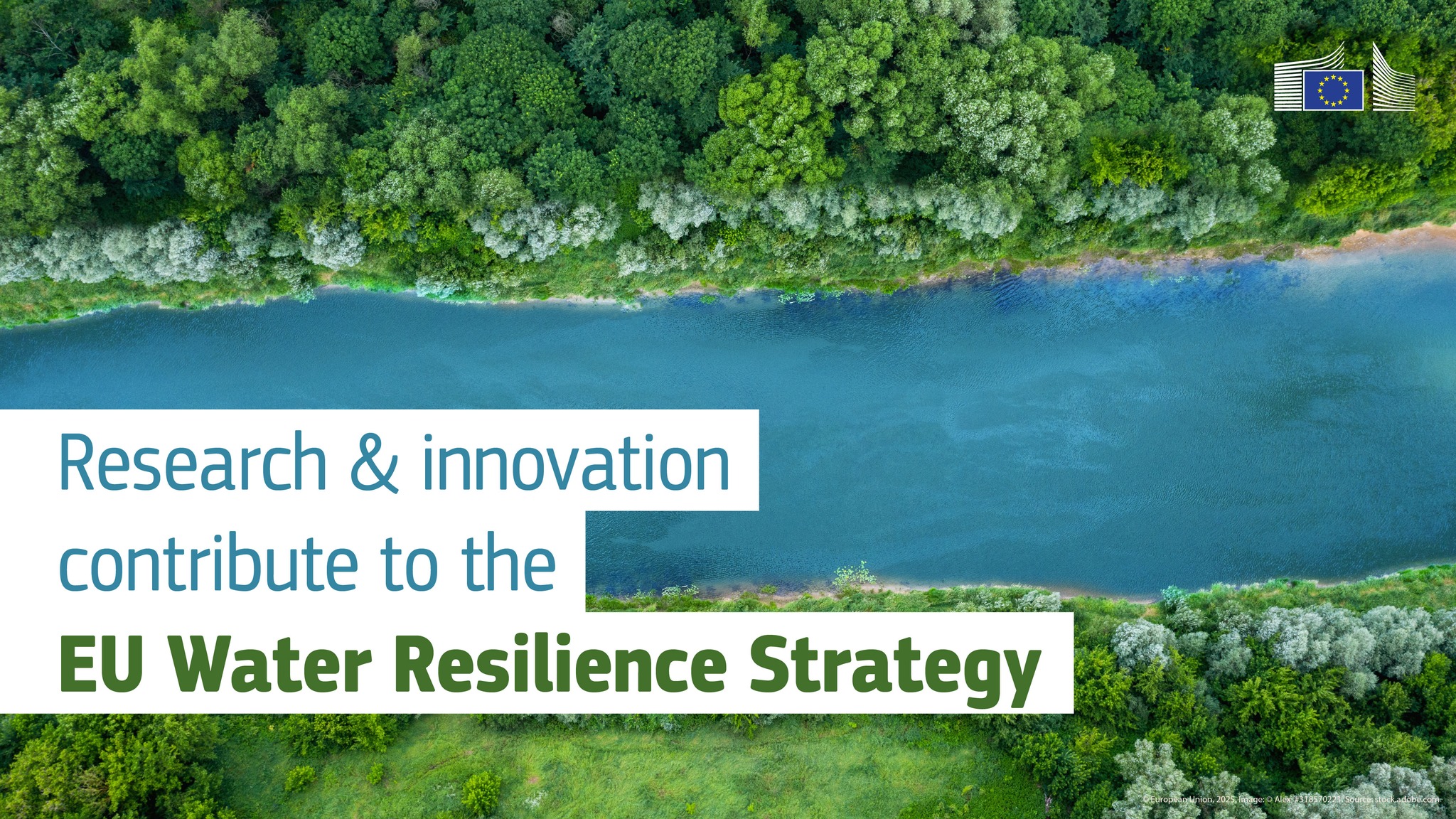
The sessions covered the following strategic themes:
- Water Efficiency – From Local to Global Action
- Financing the Way to Water Resilience
- Industrial Challenges and Opportunities – How can the Water Resilience Strategy boost EU competitiveness
- Urban Water Resilience
- Upskilling for Water Resilience: Building Competencies and Sharing Best Practices Across the EU
- Digital Transformation for Water Management
The forum will feature an exhibition area showcasing cutting-edge water technologies and innovations, best practice examples from Member States and regions, research and innovation projects supported by EU funding programs, digital solutions and smart water management tools and nature-based solutions for water resilience.
See via this link.